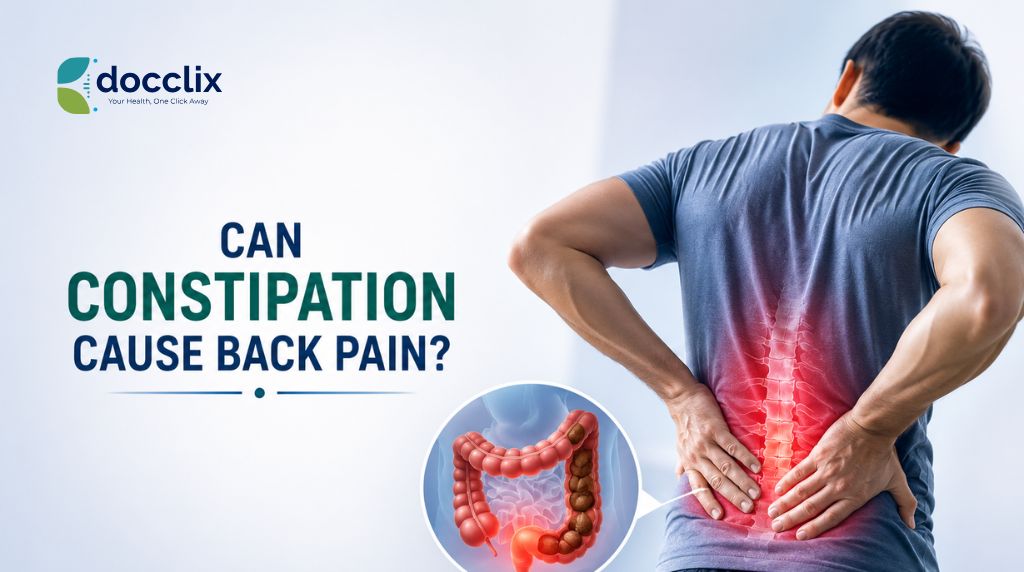
Constipation is one of the most common digestive complaints affecting people of all ages. While most people associate constipation with infrequent bowel movements, abdominal discomfort, and bloating, many are surprised to learn that it can sometimes contribute to back pain as well. This often leads individuals to ask: can constipation cause back pain?
The answer is yes. In some cases, severe or prolonged constipation can contribute to back pain, particularly in the lower back. When stool accumulates in the intestines, it can create pressure within the abdomen and pelvis, potentially affecting surrounding muscles, nerves, and structures. The resulting discomfort may range from mild aches to more noticeable lower back pain.
Understanding the relationship between constipation and back pain can help individuals recognize symptoms early, manage constipation effectively, and seek medical care when necessary. In this guide, we'll explore the causes, symptoms, treatment options, prevention strategies, and when to consult a healthcare professional.
What is Constipation?
Constipation is a digestive condition characterized by infrequent bowel movements, difficulty passing stools, or a sensation of incomplete bowel evacuation. Although bowel habits vary from person to person, constipation is generally defined as having fewer than three bowel movements per week.
Occasional constipation is common and usually resolves with dietary and lifestyle changes. However, chronic constipation can affect quality of life and may contribute to additional symptoms, including abdominal pain, bloating, and back discomfort.
-
Common Signs of Constipation
People experiencing constipation may notice hard, dry stools that are difficult to pass. Straining during bowel movements is also a common symptom.
Many individuals report a feeling that their bowels have not emptied completely, even after using the restroom.
-
Causes of Constipation
Constipation can occur for many reasons, including inadequate fiber intake, dehydration, lack of physical activity, certain medications, and underlying medical conditions.
Stress, travel, and changes in routine may also affect bowel habits.
-
Acute vs Chronic Constipation
Acute constipation develops suddenly and is often temporary. Chronic constipation persists for several weeks or longer and may require medical evaluation.
Understanding the cause of constipation is important for selecting the most effective treatment approach.
How Constipation Can Affect the Back?
Many people do not immediately connect digestive problems with musculoskeletal discomfort. However, the digestive system and surrounding structures are closely linked within the abdominal and pelvic regions.
When constipation becomes severe, accumulated stool can place pressure on nearby tissues, potentially contributing to back pain and discomfort.
-
Increased Pressure in the Abdomen
A buildup of stool within the colon can create pressure inside the abdomen. This pressure may radiate to surrounding muscles and tissues, causing discomfort that extends to the back.
The lower back is particularly susceptible because of its close relationship with abdominal and pelvic structures.
-
Impact on Pelvic Structures
Severe constipation can increase strain on the pelvic floor muscles. These muscles support bowel function and help maintain stability within the lower body.
Excessive pressure may contribute to muscle fatigue and discomfort that is felt in the lower back region.
-
Effects on Daily Movement
Individuals experiencing constipation often move differently due to abdominal discomfort and bloating.
Reduced mobility, altered posture, and muscle tension can contribute to the development of back pain.
Can You Get Back Pain From Constipation?
Yes, constipation can sometimes lead to back pain, particularly when it is severe or prolonged. The connection is not always obvious because the pain may originate from pressure, muscle strain, or nerve irritation rather than the digestive tract itself.
Understanding how constipation contributes to back pain helps explain why treating constipation often improves both digestive and back-related symptoms.
-
The Link to Back Pain
When stool accumulates in the colon, the enlarged bowel can place pressure on surrounding tissues. This pressure may cause discomfort that radiates into the lower back.
Many people notice that back pain improves after bowel movements become regular again.
-
Nerve Irritation
The digestive tract is located near nerves that supply sensation to parts of the abdomen, pelvis, and lower back.
Severe constipation may irritate these nerves indirectly, contributing to discomfort or aching sensations in the back.
-
Muscle Tension
Constipation often causes abdominal cramping and bloating. In response, the body may tense surrounding muscles to protect the affected area.
This increased muscle tension can extend to the lower back and contribute to soreness or stiffness.
-
Changes in Posture
People experiencing constipation frequently alter their posture due to abdominal discomfort.
Leaning forward, sitting differently, or reducing movement can place additional stress on the spine and surrounding muscles, leading to back pain over time.
You may also like: Dr. Parvesh Kumar Jain - Best Gastroenterologist in Bangalore
Symptoms and Signs of Back Pain Related to Constipation
Back pain associated with constipation may vary in severity and location. While some individuals experience mild discomfort, others may develop more significant pain that affects daily activities.
Recognizing accompanying symptoms can help identify constipation as a contributing factor.
-
Lower Back Discomfort
The most common symptom is a dull ache or pressure-like sensation in the lower back.
This discomfort may worsen when constipation becomes more severe and improve after bowel movements.
-
Abdominal Bloating
Bloating frequently accompanies constipation and may contribute to feelings of tightness in the abdomen and back.
The combination of abdominal pressure and back discomfort is a common clue.
-
Difficulty Passing Stool
Straining during bowel movements is a hallmark symptom of constipation and often occurs alongside back pain.
Relief may occur after successful bowel evacuation.
-
Reduced Mobility
Some individuals find it uncomfortable to bend, twist, or remain seated for prolonged periods when experiencing constipation-related back pain.
This can temporarily affect normal daily activities.
-
Feeling of Fullness
A sensation of fullness in the abdomen or pelvis may accompany both constipation and back discomfort.
This symptom often improves as bowel function returns to normal.
Other Causes of Back Pain That Should Not Be Ignored
Although constipation can contribute to back pain, not all back pain is caused by digestive issues. Several medical conditions can produce similar symptoms and may require prompt evaluation.
Persistent or severe pain should always be assessed appropriately.
-
Muscle Strain
Overuse, lifting injuries, and poor posture are among the most common causes of back pain.
Muscle-related pain often worsens with movement.
-
Herniated Disc
A slipped or herniated disc may compress nearby nerves and cause pain that radiates into the legs.
Medical evaluation is important if nerve symptoms occur.
-
Kidney Conditions
Kidney stones and kidney infections can sometimes cause pain in the back or flank regions.
These conditions may be accompanied by urinary symptoms.
-
Spinal Disorders
Arthritis, spinal stenosis, and degenerative disc disease can also contribute to chronic back pain.
These conditions often require specialized treatment.
Treatment Options for Constipation and Back Pain
Treating the underlying constipation is often the most effective way to relieve associated back pain. A combination of dietary, lifestyle, and medical approaches may be recommended depending on symptom severity.
Early intervention can help prevent complications and improve comfort.
1. Increase Fiber Intake
Increasing fiber intake is one of the most effective ways to relieve constipation and support long-term digestive health. Fiber adds bulk to stool and helps it move more easily through the intestines, reducing the strain associated with bowel movements. A gradual increase in fiber is recommended to minimize gas and bloating. Including a variety of fiber-rich foods in your daily diet can promote regularity and help prevent future episodes of constipation.
2. Stay Hydrated
Proper hydration plays a vital role in maintaining healthy digestion and preventing constipation. Water helps soften stool, making it easier to pass and reducing pressure on the lower back and abdominal area. Drinking enough fluids throughout the day is especially important when increasing dietary fiber intake. Consistent hydration can improve bowel function and contribute to overall digestive comfort.
3. Regular Physical Activity
Regular exercise helps stimulate the muscles of the digestive tract, encouraging more efficient bowel movements. Physical activity can reduce the likelihood of stool buildup and alleviate discomfort caused by constipation. Activities such as walking, stretching, cycling, or yoga can support digestive health while also improving overall well-being. Even moderate daily movement can make a significant difference in bowel regularity.
4. Use Medications When Necessary
When dietary and lifestyle changes are not enough, medications may be used to help manage constipation. Depending on the underlying cause, healthcare providers may recommend stool softeners, osmotic laxatives, stimulant laxatives, or other treatments. These medications can provide temporary relief and help restore normal bowel
Physical Therapy for Back Pain
When constipation-related back pain causes significant muscle tension or movement limitations, physical therapy may be beneficial.
A physical therapist can help address musculoskeletal factors contributing to discomfort.
-
Initial Assessment
The first step in physical therapy is a comprehensive assessment of the patient's condition. The therapist evaluates posture, spinal alignment, range of motion, muscle strength, and movement patterns to identify factors that may be contributing to back pain. Understanding these underlying issues helps determine how constipation-related discomfort is affecting daily activities. The findings from this evaluation guide the development of an effective treatment strategy.
-
Individualized Treatment Plan
Based on the assessment results, the physical therapist creates a personalized treatment plan tailored to the individual's symptoms and physical needs. The plan may focus on improving mobility, reducing muscle tension, correcting posture, and enhancing overall function. Personalized care ensures that treatment addresses the specific causes of discomfort rather than providing a one-size-fits-all approach. Regular progress evaluations may be used to adjust the plan as needed.
-
Therapeutic Exercises
Therapeutic exercises are designed to strengthen muscles that support the spine and improve overall flexibility. These exercises may target the core, lower back, hips, and pelvic region to reduce strain and enhance stability. Improved muscle function can help alleviate discomfort and support better movement patterns. Performing exercises consistently under professional guidance often leads to more effective and lasting results.
-
Home Exercise Program
A home exercise program allows patients to continue their progress between physical therapy sessions. The prescribed exercises are typically simple, safe, and tailored to the individual's condition and goals. Regular practice can help maintain flexibility, improve strength, and reduce the likelihood of recurring pain. Following the program consistently is an important part of achieving long-term relief and improved physical function.
The Benefits of Addressing Constipation Early
Prompt treatment of constipation can improve both digestive and musculoskeletal symptoms. Addressing constipation before it becomes severe may help prevent complications and improve overall well-being.
Many individuals experience noticeable symptom improvement after restoring regular bowel habits.
-
Improved Digestive Health
Addressing constipation early helps restore normal bowel function and promotes better digestive health. Regular bowel movements can reduce symptoms such as bloating, abdominal pressure, cramping, and feelings of fullness. Improved digestion also allows the body to process nutrients more efficiently and maintain overall gastrointestinal balance. Taking action early can prevent symptoms from becoming more severe and disruptive to daily life.
-
Reduced Back Pain
Constipation can place additional pressure on the abdomen and surrounding structures, which may contribute to lower back discomfort. As bowel movements become more regular and stool buildup is relieved, this pressure often decreases. Many individuals experience a reduction in back pain once constipation is effectively managed. Treating the underlying digestive issue can provide relief without the need for extensive interventions focused solely on the back.
-
Better Quality of Life
Relieving constipation can have a positive impact on overall comfort and well-being. Individuals often report improved energy levels, better concentration, and greater ease in performing daily activities. Reduced digestive discomfort and back pain can also support more restful sleep and increased participation in work, exercise, and social events. These improvements contribute to a higher quality of life and greater day-to-day confidence.
-
Prevention of Complications
Early treatment of constipation can help prevent more serious complications from developing. Chronic or untreated constipation may increase the risk of fecal impaction, hemorrhoids, anal fissures, and ongoing abdominal discomfort. Establishing healthy habits such as adequate hydration, regular exercise, and a balanced diet can reduce the likelihood of recurrence. Proactive management supports long-term digestive health and helps maintain overall wellness.
When to See a Doctor?
Although occasional constipation is usually not serious, certain symptoms require medical attention. Persistent or severe symptoms should never be ignored.
Professional evaluation helps identify underlying causes and ensure appropriate treatment.
-
Persistent Constipation
Constipation that continues for several weeks despite dietary and lifestyle changes may indicate an underlying medical condition. Chronic constipation can be associated with digestive disorders, medication side effects, hormonal imbalances, or other health concerns. A healthcare provider can perform appropriate evaluations to determine the cause and recommend effective treatment options. Early assessment may help prevent complications and improve long-term digestive health.
-
Severe Back Pain
While mild back discomfort may occur with constipation, severe or worsening pain should not be ignored. Persistent back pain could signal a more serious musculoskeletal, neurological, or gastrointestinal condition that requires medical attention. If the pain limits mobility, disrupts daily activities, or does not improve after constipation resolves, a professional evaluation is recommended. Identifying the underlying cause is important for appropriate treatment and symptom relief.
-
Blood in Stool
The presence of blood in the stool should always be evaluated by a healthcare professional. Bleeding may result from conditions such as hemorrhoids or anal fissures, but it can also be a sign of more serious digestive disorders. Prompt medical assessment helps determine the source of the bleeding and whether further testing is needed. Early diagnosis can improve treatment outcomes and reduce the risk of complications.
-
Unintentional Weight Loss
Unexplained weight loss accompanied by constipation may indicate an underlying health issue that requires further investigation. Conditions affecting the digestive system, metabolism, or overall health can sometimes contribute to both symptoms. A healthcare provider may recommend diagnostic tests to identify the cause and develop an appropriate treatment plan. Seeking medical advice promptly can help address potential concerns before they progress.
-
Neurological Symptoms
Symptoms such as numbness, muscle weakness, difficulty walking, or loss of bladder or bowel control require immediate medical attention. These signs may indicate a serious neurological condition affecting the spinal cord or nerves. Prompt evaluation is essential to determine the cause and prevent potential long-term complications. Emergency medical care should be sought if these symptoms occur alongside severe back pain or constipation.
How DocClix Helps You Find the Right Doctor?
Digestive issues and back pain can have multiple underlying causes, making an accurate diagnosis essential for effective treatment. DocClix helps patients connect with experienced healthcare professionals, including gastroenterologists, general physicians, orthopedic specialists, and other experts based on their specific needs. Through a simple and user-friendly platform, patients can conveniently book in-clinic appointments or access online consultations via video and chat from the comfort of their homes.
The platform also allows users to securely store prescriptions, diagnostic reports, and medical records in one place, making healthcare management more organized and accessible. By connecting patients with the right specialists, DocClix supports personalized care and guidance for digestive health, back pain management, and overall well-being.
🩺 Concerned About Constipation or Persistent Back Pain?
Digestive issues and back pain can sometimes be connected. Consult experienced healthcare professionals for accurate diagnosis and personalized treatment recommendations.
Conclusion
So, can constipation cause back pain? Yes, it can. Severe or prolonged constipation may create pressure within the abdomen and pelvis, contribute to muscle tension, irritate nearby nerves, and affect posture, all of which can lead to back discomfort. While constipation-related back pain often improves once bowel movements become regular, persistent symptoms should be evaluated to rule out other medical conditions.
Maintaining a fiber-rich diet, staying hydrated, exercising regularly, and seeking timely medical care can help prevent constipation and reduce the risk of associated back pain. If symptoms continue or become severe, professional evaluation is important for identifying the underlying cause and developing an effective treatment plan.
DocClix makes it easier to find experienced doctors, book appointments, access online consultations, and manage health records, helping patients take a proactive approach to digestive and overall health.
FAQs
Q1. Can constipation cause lower back pain?
Yes. Severe constipation can create pressure in the abdomen and pelvis, which may contribute to lower back pain and discomfort.
Q2. How do I know if my back pain is related to constipation?
If back pain occurs alongside symptoms such as bloating, infrequent bowel movements, hard stools, or abdominal discomfort, constipation may be a contributing factor.
Q3. Can constipation cause severe back pain?
In some cases, severe constipation or fecal impaction can cause significant discomfort. Persistent or severe pain should be evaluated by a healthcare professional.
Q4. Will back pain go away after relieving constipation?
Many individuals notice improvement in back pain once bowel movements become regular and abdominal pressure decreases.
Q5. How can DocClix help with constipation and back pain concerns?
DocClix helps patients connect with experienced doctors, book appointments, access online consultations, and receive personalized guidance for digestive and musculoskeletal health concerns.
For Doctors & Clinics
Get your AI Visibility Page for ₹1,999
One-time setup. Google, ChatGPT & Gemini ready. No monthly commitment to start.
Get Onboarded — ₹1,999 arrow_forward