Introduction
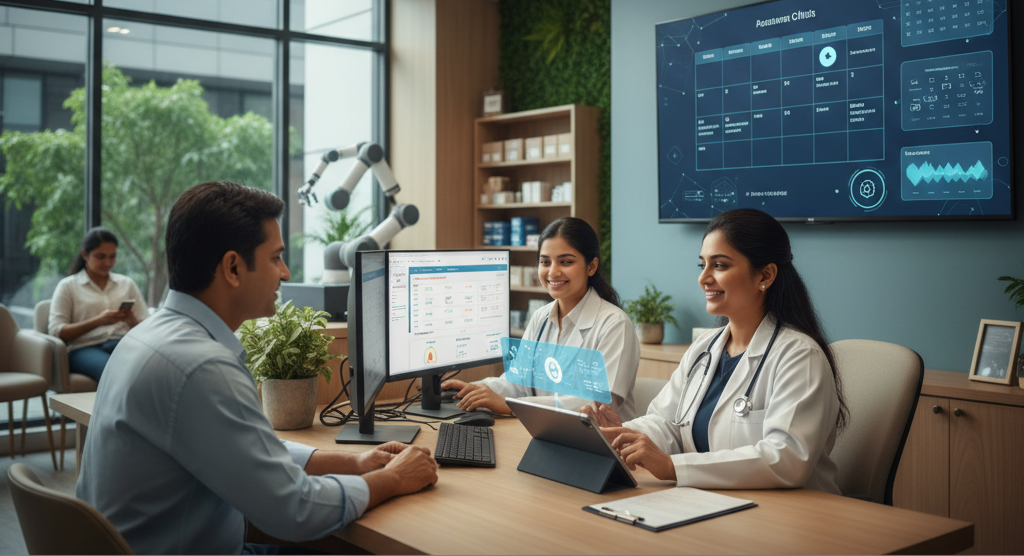
Running a clinic today involves more than just treating patients. Doctors also have to manage appointments, billing, patient records, staff, compliance, and digital presence. Without proper organization, things can quickly become overwhelming. This is where clinic practice management tools and smart strategies help doctors streamline daily operations, save time, and focus on what matters most — patient care. This guide explores the top tools, technologies, and proven tips that modern clinics can adopt to enhance efficiency, reduce administrative burdens, and deliver a better patient experience.
What is Clinic Practice Management?
Clinic practice management refers to the administrative and operational processes that keep a healthcare practice running smoothly. It includes:
- Scheduling & Appointments
- Patient Records & EMRs (Electronic Medical Records)
- Billing & Payments
- Inventory & Staff Management
- Compliance & Reporting
- Communication with Patients
Why Efficient Clinic Management Matters?
A clinic that uses outdated systems often faces challenges such as:
- Long patient waiting times
- Missed appointments
- Billing errors
- Poor staff coordination
- Inefficient use of resources
- Better patient satisfaction
- Higher staff productivity
- Accurate billing & faster payments
- Reduced paperwork
- Compliance with healthcare regulations
Top Tools for Clinic Practice Management
- Electronic Health Records (EHR) Systems: An EHR system digitizes patient medical records, making them easily accessible and secure. Store and retrieve patient history, prescriptions, test results; reduces errors from paper-based records; enables doctors to make quicker, informed decisions. Popular Tools: Practo Ray, Athenahealth, Kareo.
- Appointment Scheduling Software: Managing appointments manually often leads to double bookings and long queues. Digital scheduling tools allow patients to book online, send automated reminders (SMS/WhatsApp/email), and reduce no-shows by up to 40%. Example: Docclix Appointment Scheduler.
- Billing & Payment Solutions: Automated billing software helps generate invoices instantly, track pending payments, support multiple payment options (UPI, cards, net banking) and ensure transparency for patients.
- Telemedicine Platforms: Enable video/audio consultations, digital prescriptions, and secure sharing of medical documents — essential for modern patient expectations.
- Staff & Inventory Management Tools: Assign staff duties digitally, track inventory like medicines and test kits, and set auto-alerts for low stock to prevent care delays.
- Patient Communication Platforms: Use WhatsApp Business API, patient portals for lab results & prescriptions, and automated reminders for follow-ups to improve trust and loyalty.
- Analytics & Reporting Tools: Track patient visits, revenue, staff performance, identify peak hours to optimize scheduling, and gain insights into most requested services.
Practical Tips for Doctors to Streamline Operations
- Automate Wherever Possible: Use AI-powered tools to handle repetitive tasks like reminders and billing — automation saves staff time and reduces errors.
- Train Your Staff Regularly: Ensure staff are comfortable using digital systems; regular training keeps operations smooth and prevents workflow disruptions.
- Reduce Paperwork: Shift to digital forms for registration and consent; use cloud-based storage for secure, easy access.
- Prioritize Patient Experience: Offer shorter waiting times by managing appointments efficiently, provide cashless and flexible payment options, and follow up with patients post-consultation via SMS/WhatsApp.
- Ensure Compliance & Data Privacy: Use platforms compliant with HIPAA (US), GDPR (EU), and India’s DPDP Act; protect patient data with encryption and access controls.
- Integrate Telemedicine & In-Person Care: Hybrid models allow patients to choose between online or in-clinic consultations, increasing patient reach especially for follow-ups.
- Use AI for Smarter Decisions: AI tools can predict patient no-shows, optimize staff schedules, and improve diagnosis; example: AI-driven chatbots for 24/7 patient queries.
- Optimize Your Google Business Profile: Add updated clinic timings, services, and contact details; collect and respond to patient reviews to improve local SEO.
- Track Finances Closely: Use accounting software to monitor cash flow and regularly analyze revenue trends and expenses.
- Keep Adapting: Healthcare is evolving rapidly — telehealth, AI, wearables, and digital records are just the beginning. Clinics must adapt to stay competitive.
Case Study: How a Clinic in Bangalore Improved Efficiency
Dr. Mehta’s clinic in Bangalore faced long waiting times and missed appointments. After implementing online scheduling, automated reminders, a billing system, and telemedicine consultations, the clinic reduced no-shows by 35%, improved staff efficiency by 40%, and saw a significant rise in patient satisfaction — showing how the right mix of tools and management strategies can transform clinical practice.
Future of Clinic Practice Management
The future will be shaped by AI, IoT, and patient-centric care: AI-powered assistants for instant medical history retrieval; IoT wearables syncing real-time health data with clinic systems; blockchain-based records for tamper-proof security; virtual reality (VR) consultations for enhanced patient education. Clinics adopting these innovations early will lead the healthcare industry.
Ready to Streamline Your Clinic Operations?
Managing your clinic doesn’t have to be complicated. With the right tools and strategies, you can save time, reduce costs, and focus more on patient care. Start your digital transformation today with Docclix.
Available 24/7
Serving Across India
Conclusion
Clinic practice management is no longer optional — it’s essential. From EHRs and billing tools to telemedicine and AI, digital solutions are transforming the way doctors run their practices. The right approach not only reduces administrative stress but also enhances patient care, boosts efficiency, and builds long-term trust. At Docclix, we empower doctors with the tools and technology needed to streamline operations and deliver seamless healthcare experiences to patients.
FAQ
- What is clinic practice management?
Clinic practice management involves handling all administrative and operational tasks — like scheduling, billing, patient records, and staff coordination — to ensure smooth day-to-day clinic operations. - How do digital tools improve clinic efficiency?
Digital tools automate repetitive tasks such as appointment reminders, billing, and record keeping, reducing manual errors and allowing doctors to focus more on patient care. - Why is staff training important in clinic management?
Even the best tools fail without proper use. Regular staff training ensures everyone understands digital systems, improving coordination and patient experience. - What are the best tools for small and mid-sized clinics?
Tools like Docclix for appointment scheduling, EHR management, and telemedicine are ideal. They’re affordable, easy to use, and help clinics stay organized and compliant. - How can AI help in clinic management?
AI predicts patient no-shows, automates communication, and provides data insights for better decision-making — helping doctors save time and boost efficiency.
For Doctors & Clinics
Get your AI Visibility Page for ₹1,999
One-time setup. Google, ChatGPT & Gemini ready. No monthly commitment to start.
Get Onboarded — ₹1,999 arrow_forward