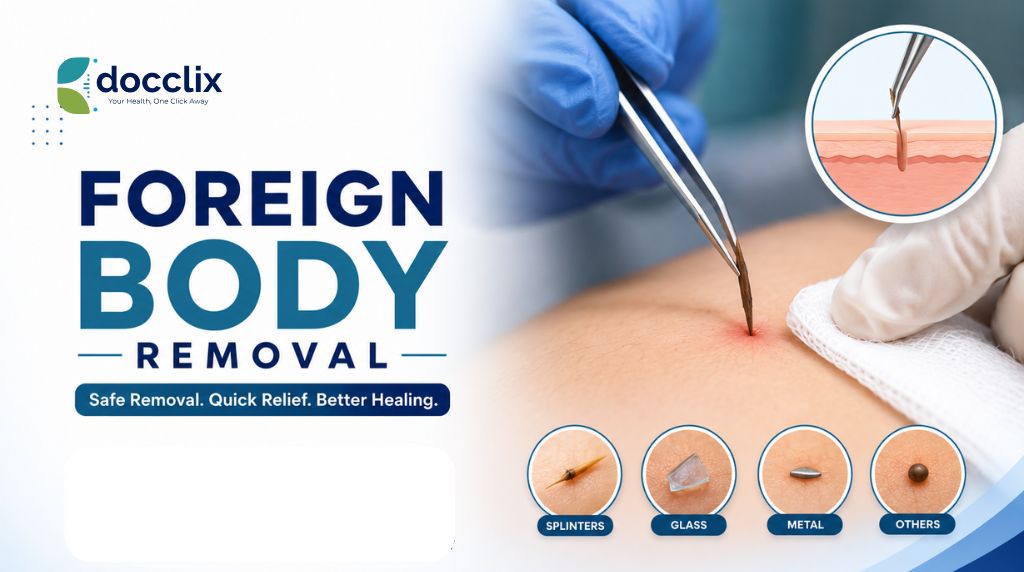
Accidental insertion or swallowing of foreign objects is a common medical emergency seen in both children and adults. A foreign body may enter the ear, nose, throat, eye, skin, digestive tract, or airway, leading to discomfort, pain, infection, or breathing difficulty. In some cases, immediate medical attention becomes necessary to avoid serious complications. This is why many people search for information about foreign body removal procedures and treatment options.
Foreign body incidents can happen during eating, playing, working, or due to accidental injuries. Coins, food particles, fish bones, batteries, toys, glass pieces, and metal fragments are among the commonly reported foreign objects. Understanding the symptoms, treatment methods, and recovery process helps patients and caregivers respond quickly and safely.
What Is Foreign Body Removal?
Foreign body removal is a medical procedure performed to remove an unwanted object lodged inside the body. The procedure may range from simple outpatient removal to emergency surgical intervention depending on the object’s location and severity.
Doctors choose the safest removal technique based on the type, size, and position of the foreign object.
Why Foreign Body Removal Is Important
Leaving a foreign object untreated can cause infection, tissue damage, bleeding, or blockage of vital structures.
Early removal reduces complications and improves recovery outcomes.
Common Areas Affected
Foreign bodies commonly affect the ear, nose, throat, airway, digestive system, eyes, and skin.
Each location requires a different treatment approach and level of urgency.
Common Types of Foreign Bodies
Different objects can accidentally enter the body depending on age, activity, and environment. Children are particularly vulnerable because they often place small objects in their mouths or noses.
Understanding common foreign bodies helps in recognizing emergencies quickly.
-
Food Particles and Fish Bones
Food items such as fish bones or meat pieces may get stuck in the throat or food pipe. This can happen while eating too quickly, talking during meals, or not chewing food properly. Fish bones are especially problematic because they are thin, sharp, and can easily become lodged in the throat. This can cause pain, swallowing difficulty, or irritation.
-
Coins, Toys, and Batteries
Children frequently swallow coins, toy parts, or button batteries. Small objects are easily accessible to young children and may accidentally be placed in the mouth during play. While many swallowed objects pass naturally, certain items pose significant health risks. Button batteries require urgent removal because they can damage tissues rapidly.
-
Glass, Metal, and Sharp Objects
Accidental injuries may lead to glass or metal fragments entering the skin or eyes. Sharp objects may also become embedded during workplace accidents, home repairs, or outdoor activities. These foreign bodies can cause cuts, bleeding, infection, or damage to nearby tissues if not removed safely. Prompt medical treatment helps prevent infection and tissue injury.
Symptoms That May Require Foreign Body Removal
Symptoms vary depending on where the object is lodged and how long it has remained inside the body. Some foreign bodies cause immediate discomfort, while others may remain unnoticed initially. The severity of symptoms can range from mild irritation to life-threatening emergencies, especially when the airway is involved. Seeking medical attention at the earliest sign of complications can help prevent further injury. Recognizing warning signs early is important for timely treatment.
-
Pain and Irritation
Persistent pain, swelling, or irritation may indicate the presence of a foreign object. The affected area may also become red, tender, or sensitive to touch, particularly if inflammation develops. Ignoring these symptoms can increase the risk of infection or damage to surrounding tissues. Symptoms may worsen if the object causes tissue injury.
-
Difficulty Swallowing or Breathing
Foreign objects in the throat or airway can lead to choking, coughing, or breathing difficulty. Individuals may also experience a sensation of something being stuck, noisy breathing, or difficulty speaking. Airway obstruction is a medical emergency and should never be ignored, even if symptoms seem mild initially. This requires immediate emergency care.
-
Bleeding or Discharge
Objects stuck in the ear, nose, or skin may cause bleeding or abnormal discharge. Persistent discharge, foul odor, or pus may indicate that an infection has already developed. In some cases, the surrounding tissues may become swollen and painful, making removal more difficult. Infections may develop if the object remains untreated.
You may also like:Best Dermatologists in Bangalore: Expert Skin Care When You Need It
Foreign Body Removal from the Ear
Ear foreign bodies are commonly seen in children and sometimes in adults using cotton swabs or hearing aids improperly. Objects lodged in the ear can cause discomfort, reduced hearing, pain, or even infection if left untreated. The removal method depends on the size, shape, and location of the object, as well as the patient's age and symptoms. Doctors use specialized tools and lighting equipment for safe removal.
-
Common Ear Foreign Bodies
Beads, insects, cotton fragments, and small toy pieces are frequently found in the ear canal. Insects may cause sudden pain, buzzing sounds, or a crawling sensation, while other objects may block hearing. Attempting self-removal with fingers, tweezers, or cotton swabs may push the object deeper and increase the risk of injury. Attempting self-removal may push the object deeper.
-
Removal Procedure
Doctors may use suction devices, forceps, or irrigation techniques depending on the object type. Before removal, the ear is carefully examined with an otoscope to determine the safest approach. In some cases, irrigation is avoided, particularly if the object is a battery or may swell when exposed to water. The procedure is usually quick and performed in an outpatient setting.
Foreign Body Removal from the Nose
Nasal foreign bodies are common among young children and may cause irritation or infection if untreated. Small objects such as beads, food particles, toy pieces, or paper are often inserted into the nose out of curiosity. If the object remains lodged for an extended period, it can lead to inflammation, infection, or breathing discomfort. Prompt medical evaluation helps avoid complications.
-
Symptoms of Nasal Foreign Body
Symptoms may include foul-smelling discharge, nasal blockage, pain, or bleeding from one nostril. Some children may complain of discomfort, have difficulty breathing through the affected nostril, or repeatedly touch their nose. A persistent, one-sided nasal discharge is a common sign that should be evaluated by a healthcare professional. Persistent symptoms should not be ignored.
-
Treatment Approach
Doctors use specialized instruments to remove the object safely without damaging nasal tissues. The removal technique depends on the size, shape, and location of the foreign body, as well as the patient's age and level of cooperation. In some cases, imaging tests may be recommended if the object cannot be seen clearly or if complications are suspected. Sedation may occasionally be required in young children.
Foreign Body Removal from the Throat or Food Pipe
Objects lodged in the throat or esophagus may cause swallowing difficulty and discomfort. Certain cases require emergency intervention. Doctors use endoscopic procedures for accurate diagnosis and removal. Early evaluation helps prevent complications such as infection, tissue injury, or blockage of the food pipe. Prompt treatment also reduces pain and restores normal swallowing more quickly.
1. Food Impaction and Fish Bones
Fish bones and food particles are among the most common throat foreign bodies in adults. Sharp objects can injure surrounding tissues if left untreated. Larger food impactions may completely block the esophagus, making it difficult to swallow saliva or liquids. Immediate medical attention is recommended if symptoms persist or worsen.
2. Endoscopic Removal
An endoscope allows doctors to visualize and remove the object safely. This minimally invasive approach improves precision and reduces complications. The procedure is performed using specialized instruments that minimize trauma to surrounding tissues. Most patients recover quickly and can return to normal activities soon after treatment, depending on the severity of the case.
Foreign Body Removal from the Airway
Airway foreign bodies are medical emergencies because they may block breathing. Immediate treatment is essential to prevent life-threatening complications. Children are especially vulnerable to choking incidents. Prompt diagnosis and intervention help restore normal airflow and reduce the risk of serious complications. Early treatment can also prevent damage to the lungs and surrounding airways.
-
Signs of Airway Obstruction
Severe coughing, wheezing, choking, or inability to breathe may indicate airway blockage. Emergency medical attention is critical. In some cases, the person may develop noisy breathing, bluish discoloration of the lips or skin, or difficulty speaking. These symptoms require immediate evaluation to prevent complete airway obstruction.
-
Bronchoscopy Procedure
Doctors often use bronchoscopy to remove foreign objects from the airway. This procedure allows direct visualization and safe extraction. Using a specialized bronchoscope, doctors can accurately locate and remove the obstruction with minimal injury to the airway. Most patients experience rapid relief of symptoms once the foreign body is successfully removed.
Foreign Body Removal from the Eye
Eye foreign bodies commonly occur due to dust, metal particles, chemicals, or accidental injuries. Prompt treatment helps prevent vision problems and eye damage. Even small particles can scratch the surface of the eye and cause significant discomfort if not removed promptly. Early examination by an eye specialist helps protect vision and supports faster healing.
-
Symptoms of Eye Foreign Body
Patients may experience redness, pain, tearing, blurred vision, or a sensation of something stuck in the eye. Avoid rubbing the eye as it may worsen injury. Increased sensitivity to light and persistent irritation may also occur, depending on the type and location of the foreign body. If symptoms continue after flushing the eye, immediate medical evaluation is recommended.
-
Treatment and Eye Care
Doctors remove the object carefully using specialized ophthalmic instruments. Antibiotic eye drops may be prescribed to prevent infection. In some cases, lubricating eye drops or protective eye patches may be recommended to promote healing and reduce discomfort. Follow-up examinations help ensure the eye has healed properly and that no remaining particles or complications are present.
Foreign Body Removal from Skin and Soft Tissue
Splinters, glass pieces, needles, or metal fragments can become embedded in the skin during accidents or injuries. Proper removal reduces infection risk and improves healing. Leaving a foreign object in place may cause persistent pain, swelling, or delayed wound healing. Medical evaluation ensures that all fragments are removed safely without causing further tissue damage.
-
Minor Skin Foreign Bodies
Small splinters may sometimes be removed under local anesthesia in outpatient settings. Proper wound cleaning is important after removal. The affected area is carefully examined to ensure no fragments remain beneath the skin. Patients may also receive instructions on wound care to promote healing and reduce the risk of infection.
-
Surgical Removal
Deeply embedded objects may require minor surgical procedures and imaging guidance. Doctors ensure complete removal to avoid complications. Imaging techniques such as X-rays or ultrasound can help locate foreign bodies that are difficult to detect. Careful surgical removal minimizes tissue damage and supports a smooth recovery.
Risks and Complications of Delayed Removal
Ignoring a foreign body can lead to serious health complications depending on its location and type. Prompt medical attention significantly reduces risk. Delayed treatment may increase the chances of infection, chronic pain, or injury to nearby nerves and blood vessels. Timely removal also helps prevent long-term complications and promotes faster healing.
-
Infection and Inflammation
Retained foreign objects can cause bacterial infection, swelling, and tissue damage. This may require antibiotics or surgical treatment. Symptoms such as redness, warmth, pus discharge, or increasing pain should not be ignored. Early treatment helps control infection and prevents it from spreading to surrounding tissues.
-
Bleeding and Tissue Injury
Sharp or corrosive objects may damage surrounding tissues and blood vessels. Early removal helps prevent severe injury. In some cases, delayed removal can lead to excessive bleeding, scarring, or damage to nerves and muscles. Prompt medical care minimizes these risks and improves recovery outcomes.
-
Breathing or Swallowing Problems
Airway or throat foreign bodies may cause life-threatening emergencies if untreated. Immediate medical care is essential in such cases. Severe obstruction can rapidly reduce oxygen supply and requires urgent intervention. Early diagnosis and specialized procedures help restore normal breathing or swallowing safely.
Recovery After Foreign Body Removal
Recovery depends on the object location, severity of injury, and treatment method used. Most minor procedures heal quickly with proper care.
Doctors may provide medications and follow-up instructions based on the condition.
-
Medication and Wound Care
Antibiotics, pain relievers, or anti-inflammatory medications may be prescribed after removal. Patients should follow cleaning and wound care instructions carefully.
-
Follow-Up Evaluation
Doctors may recommend follow-up visits to ensure complete healing and rule out complications. This is especially important after airway or eye foreign body removal.
How DocClix Helps Patients Access Specialist Care?
Foreign body emergencies often require quick access to ENT specialists, gastroenterologists, pulmonologists, ophthalmologists, or emergency doctors. Digital healthcare platforms simplify the process of finding the right medical support. DocClix helps patients connect with experienced specialists for timely diagnosis and treatment. Patients can search for verified doctors based on their symptoms, specialty, location, and treatment needs, helping them make faster and more informed healthcare decisions.
DocClix also allows patients to book in-person or online consultations conveniently and schedule follow-up visits with ease. Additionally, users can securely store medical reports, prescriptions, and treatment records in one place, making it easier to access health information, improve continuity of care, and support better treatment outcomes.
🩺 Get Expert Care for Foreign Body Removal
Experiencing pain, irritation, swallowing difficulty, or accidental foreign body injury? Connect with experienced specialists for safe diagnosis and treatment.
Conclusion
Foreign body incidents can range from minor discomfort to serious medical emergencies depending on the object’s location and severity. Early recognition of symptoms and prompt medical attention are essential for preventing complications and ensuring safe recovery.
Modern medical techniques allow safe and effective foreign body removal from various parts of the body using minimally invasive procedures whenever possible. Platforms like DocClix further help patients connect with experienced specialists quickly and manage their healthcare journey more conveniently.
FAQs
Q1. What is foreign body removal?
Foreign body removal is a medical procedure used to remove an object accidentally lodged inside the body, such as in the ear, nose, throat, airway, eye, or skin.
Q2. When should I seek emergency care for a foreign body?
Emergency care is needed if the person has difficulty breathing, choking, severe pain, bleeding, or swallowing problems.
Q3. Can doctors remove foreign bodies without surgery?
Yes, many foreign bodies can be removed using minimally invasive methods such as endoscopy, bronchoscopy, or specialized instruments without major surgery.
Q4. Is foreign body removal painful?
Most procedures involve minimal discomfort because doctors may use local anesthesia, sedation, or specialized tools to reduce pain during removal.
Q5. What happens if a foreign body is left untreated?
Untreated foreign bodies may cause infection, tissue damage, swelling, bleeding, or breathing complications depending on the location and object type.
For Doctors & Clinics
Get your AI Visibility Page for ₹1,999
One-time setup. Google, ChatGPT & Gemini ready. No monthly commitment to start.
Get Onboarded — ₹1,999 arrow_forward