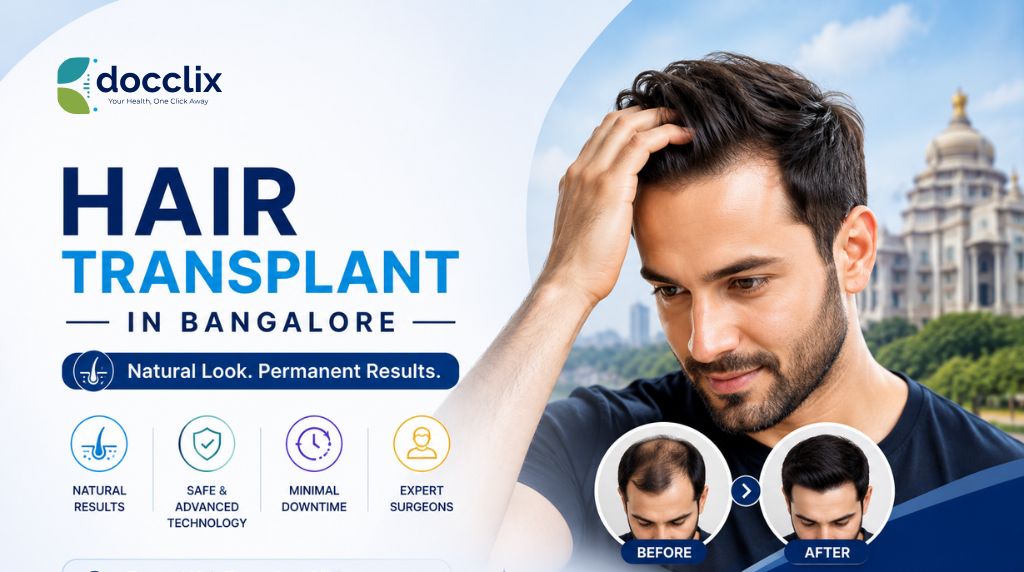
Hair loss is a common concern affecting both men and women across different age groups. Factors such as genetics, stress, hormonal imbalance, lifestyle changes, and medical conditions can contribute to thinning hair and baldness. As awareness about advanced hair restoration treatments grows, many people are now exploring hair transplant in Bangalore to regain confidence and achieve natural-looking results.
Bangalore has become a major destination for advanced cosmetic and dermatological procedures, offering experienced specialists and modern hair restoration clinics. From minimally invasive transplant techniques to personalized hair care plans, patients have access to high-quality treatment options. Understanding the procedure, cost, recovery process, and expected results can help individuals make informed decisions before choosing a hair transplant.
What is a Hair Transplant?
A hair transplant is a cosmetic procedure where healthy hair follicles are moved from one part of the scalp, usually the back or sides, to areas affected by hair loss or baldness. The transplanted follicles continue to grow naturally in the new location over time.
Modern hair transplant procedures focus on delivering natural hairlines, improved density, and long-term results.
-
How Hair Transplant Works
During the procedure, doctors extract healthy hair follicles from the donor area and implant them into thinning or bald regions.
The transplanted hair gradually starts growing over the following months.
-
Who Can Benefit from Hair Transplant?
Hair transplant procedures are commonly recommended for individuals experiencing male pattern baldness, receding hairlines, or patchy hair loss.
Doctors evaluate scalp condition, donor hair quality, and overall health before recommending treatment.
Why Bangalore Is a Popular Destination for Hair Transplant?
Bangalore is known for its advanced healthcare infrastructure and experienced cosmetic specialists. The city offers access to modern hair restoration technologies and internationally accepted treatment standards.
Many patients prefer undergoing hair transplant in Bangalore because of the availability of skilled doctors and advanced clinics.
-
Experienced Hair Restoration Specialists
The city has several dermatologists and cosmetic surgeons experienced in advanced hair transplant procedures.
Expertise plays a major role in achieving natural-looking results.
-
Advanced Technology and Techniques
Leading clinics in Bangalore use modern equipment and minimally invasive transplant methods for better precision and faster recovery.
This improves treatment outcomes and patient comfort.
-
Comprehensive Hair Care Support
Many clinics provide complete pre-treatment evaluation, post-operative care, and long-term hair management guidance.
Personalized care improves overall patient satisfaction.
You may also like: How to Prepare for an Online Health Consultation to Get the Most Out of It
Types of Hair Transplant Procedures
Different hair transplant techniques are available depending on hair loss severity, scalp condition, and patient preference. Specialists recommend the most suitable method after evaluation.
Understanding these procedures helps patients make informed decisions.
-
FUE Hair Transplant
Follicular Unit Extraction (FUE) is one of the most commonly used techniques today. Individual hair follicles are extracted and implanted into the target area.
FUE leaves minimal scarring and offers quicker recovery.
The procedure is performed using tiny punches that remove individual follicular units without creating a large incision. Patients usually experience less post-operative discomfort and can resume daily activities within a few days. FUE is ideal for those who prefer shorter hairstyles because the tiny extraction marks are barely noticeable after healing.
-
FUT Hair Transplant
Follicular Unit Transplantation (FUT) involves removing a strip of scalp containing hair follicles from the donor area.
This method may be suitable for patients requiring a larger number of grafts.
The harvested strip is carefully divided into individual follicular units before implantation. FUT often provides a higher graft yield in a single session, making it beneficial for individuals with advanced hair loss. Although it leaves a linear scar, it is usually concealed beneath surrounding hair and is less visible with longer hairstyles.
-
Direct Hair Implantation (DHI)
DHI is an advanced variation of FUE where hair follicles are implanted directly using specialized tools.
The technique offers improved precision and natural hairline design.
Since the implantation process is highly controlled, surgeons can carefully adjust the angle, depth, and direction of each hair follicle. This allows for greater density in the treated area and more natural-looking results. DHI is commonly chosen for hairline restoration and patients seeking enhanced aesthetic outcomes with minimal scalp trauma.
Hair Transplant Cost in Bangalore
The cost of hair transplant in Bangalore varies depending on multiple factors such as the technique used, number of grafts, clinic reputation, and doctor expertise.
Patients should understand the complete pricing structure before planning treatment.
While cost is an important consideration, it should be evaluated alongside the quality of care, safety standards, and expected results. A personalized consultation helps determine the exact treatment plan and estimated expenses. Transparent pricing ensures patients can make informed decisions without unexpected charges.
-
Average Cost Range
Hair transplant procedures in Bangalore generally range from ₹40,000 to ₹2,50,000 or more depending on the complexity and number of grafts required.
Advanced procedures and larger sessions may increase overall cost.
Smaller sessions for early-stage hair loss are usually more affordable, while extensive restoration requires a higher number of grafts and longer surgical time. Clinics may also offer customized treatment packages based on individual needs. The final cost is determined after a thorough scalp examination and graft assessment.
-
Factors Affecting Hair Transplant Cost
The total cost depends on graft count, technology used, clinic infrastructure, and specialist experience.
Additional treatments such as PRP therapy may also affect pricing.
The condition of the donor area and the extent of hair loss also influence the overall treatment plan. Advanced techniques like DHI may have different pricing compared to conventional FUE or FUT procedures. Post-operative medications, follow-up consultations, and aftercare services may also be included in the overall treatment cost depending on the clinic.
-
Why Experience Matters More Than Low Cost
Choosing an experienced specialist is important for achieving natural and safe results.
Lower-cost procedures may compromise treatment quality and long-term outcomes.
A qualified and experienced surgeon can design a natural hairline, ensure proper graft handling, and minimize the risk of complications. Investing in expertise often leads to better hair growth, improved density, and higher patient satisfaction. Prioritizing quality over price helps achieve lasting and aesthetically pleasing results.
What Happens During the Procedure?
Hair transplant procedures are usually performed under local anesthesia and may take several hours depending on the number of grafts.
Doctors carefully plan the hairline and graft placement before starting the procedure.
-
Donor Hair Extraction
Healthy hair follicles are collected from the donor area using the selected technique.
The donor region is usually resistant to hair loss.
The back or sides of the scalp are the most common donor areas because the hair follicles are genetically more resistant to thinning. The extraction process is performed carefully to preserve the health of each follicular unit and minimize damage to the surrounding tissue. Proper extraction techniques also help ensure faster healing of the donor area.
-
Graft Preparation and Implantation
Extracted follicles are prepared carefully and implanted into thinning areas with precision.
Proper implantation angle and density help create natural-looking results.
Each graft is handled with great care to maintain its viability before implantation. Surgeons strategically place the follicles according to the patient's natural hair growth pattern, ensuring balanced density and a realistic appearance. Careful planning and precise implantation contribute significantly to successful hair growth and long-term aesthetic outcomes.
Recovery After Hair Transplant
Recovery after a hair transplant is generally smooth when proper post-operative care instructions are followed. Most patients can resume routine activities within a few days.
Full hair growth usually develops gradually over several months.
-
Initial Recovery Phase
Mild swelling, redness, or scabbing may occur during the first few days after treatment.
These symptoms usually improve quickly with proper care.
Patients are generally advised not to touch or scratch the treated area while the scalp heals. Gentle washing, prescribed medications, and adequate rest help reduce discomfort and support the healing process. Most visible signs of the procedure gradually disappear within one to two weeks.
-
Hair Growth Timeline
Transplanted hair may shed initially before new growth begins. Visible improvement is commonly seen within 3 to 6 months.
Complete results may take up to a year.
This temporary shedding is a normal part of the hair growth cycle and should not be a cause for concern. New hair typically begins to grow stronger and thicker over time, with gradual improvements in density and coverage. Final results become more noticeable as the transplanted follicles fully mature.
-
Post-Procedure Care
Doctors advise patients to avoid excessive sweating, direct sunlight, and harsh hair products during recovery.
Following medical instructions helps improve results.
Patients should also take prescribed medications as directed and attend scheduled follow-up visits to monitor healing. Maintaining a healthy lifestyle, including a balanced diet and proper hydration, can support hair growth and recovery. Consistent aftercare helps protect the transplanted grafts and contributes to long-lasting, natural-looking outcomes.
Benefits of Hair Transplant
Hair transplant procedures offer long-term improvement in appearance and confidence. Modern techniques provide natural results with minimal downtime.
Patients often experience significant psychological and social benefits after treatment.
Unlike temporary solutions, a hair transplant uses the patient's own hair follicles to achieve lasting results. With proper planning and expert execution, the restored hair looks natural and complements the individual's facial features. The procedure can have a positive impact on both personal and professional life.
-
Natural-Looking Hair Growth
Transplanted hair grows naturally and blends with existing hair when performed correctly. Modern techniques focus on creating realistic hairlines.
Surgeons carefully consider the angle, direction, and density of each implanted follicle to match the natural growth pattern. As the transplanted hair grows, it can be cut, styled, and maintained just like the rest of the hair. This helps achieve a seamless and aesthetically pleasing appearance.
-
Long-Term Results
Healthy transplanted follicles usually continue growing permanently in the treated area. This makes hair transplant a long-term hair restoration solution.
Since the donor follicles are typically resistant to hair loss, they retain their characteristics after transplantation. With proper scalp care and a healthy lifestyle, patients can enjoy stable and natural-looking results for many years. Periodic medical follow-ups may help maintain overall hair health.
-
Improved Confidence and Appearance
Restoring hair density often improves self-confidence and overall appearance. Many patients feel more comfortable socially and professionally after treatment.
A fuller head of hair can enhance facial balance and create a more youthful look. Many individuals report feeling more confident in everyday interactions, photographs, and public settings after their hair restoration procedure. These improvements often contribute to greater overall satisfaction and quality of life.
Risks and Side Effects of Hair Transplant
Although hair transplant is generally safe, like any cosmetic procedure, it may involve certain risks and temporary side effects.
Choosing a qualified specialist helps reduce complications.
-
Temporary Swelling and Redness
Mild swelling, itching, or redness may occur after the procedure. These symptoms usually resolve within a few days.
-
Infection or Scarring
Improper technique or poor aftercare may increase the risk of infection or visible scarring. Experienced doctors follow strict safety measures to minimize risks.
How to Choose the Right Hair Transplant Specialist?
Selecting the right doctor is one of the most important steps for successful hair restoration. Patients should evaluate experience, clinic standards, and treatment approach carefully.
Proper consultation helps set realistic expectations.
-
Experience in Hair Restoration
Doctors with expertise in hair transplant techniques are more likely to deliver natural-looking outcomes. Experience improves precision and graft survival.
-
Before-and-After Results
Reviewing previous patient results helps assess treatment quality and aesthetic outcomes. This provides better confidence before undergoing the procedure.
-
Clinic Infrastructure and Safety
Modern clinics with sterile environments and advanced equipment ensure safer procedures and improved patient comfort. Good infrastructure supports better recovery and outcomes.
You may also like: Common Myths & Misconceptions about Online Doctor Consultations
How DocClix Helps You Find Hair Transplant Specialists?
Finding the right hair transplant specialist can be challenging, especially with so many clinics and treatment options available. DocClix simplifies the process by connecting patients with verified dermatologists and hair transplant specialists based on their specific needs. The platform allows users to compare doctor profiles, qualifications, experience, patient reviews, and areas of expertise, helping them make informed healthcare decisions with confidence.
Booking a consultation is quick and convenient through DocClix. Patients can schedule in-person or online appointments based on their preferences and availability, making it easier to access expert guidance without unnecessary delays. The streamlined booking process saves time and helps patients begin their hair restoration journey more efficiently.
DocClix also enables users to securely manage their healthcare information in one place. Prescriptions, treatment plans, medical reports, and consultation records can be stored digitally for easy access whenever needed. This improves continuity of care, simplifies follow-up visits, and provides a more organized healthcare experience throughout the treatment process.
💇♂️ Consult Experienced Hair Transplant Specialists
Struggling with hair loss or thinning hair? Connect with experienced specialists and explore advanced hair restoration treatments tailored to your needs.
Conclusion
Hair loss can affect confidence and emotional well-being, but modern hair restoration procedures provide effective and long-term solutions. Choosing the right clinic and experienced specialist is essential for safe treatment and natural-looking results.
With advanced technology, skilled doctors, and modern cosmetic clinics, undergoing a hair transplant in Bangalore has become more accessible and reliable for many patients. Platforms like DocClix further simplify the process by helping individuals connect with trusted specialists, compare options, and manage their healthcare journey more efficiently.
FAQs
Q1. What is the average cost of hair transplant in Bangalore?
The cost of a hair transplant in Bangalore generally ranges from ₹40,000 to ₹2,50,000 depending on the number of grafts, technique used, and clinic expertise.
Q2. Which hair transplant technique is best?
FUE is one of the most popular techniques because it leaves minimal scarring and offers faster recovery. However, the best method depends on individual hair loss and scalp condition.
Q3. Is hair transplant permanent?
Yes, transplanted hair follicles are usually permanent because they are taken from areas resistant to hair loss.
Q4. How long does recovery take after hair transplant?
Most patients recover within a few days, while visible hair growth generally begins within 3 to 6 months after the procedure.
Q5. Can I consult hair transplant specialists online?
Yes, platforms like DocClix help patients connect with experienced hair transplant specialists through online consultations and appointment booking services.
For Doctors & Clinics
Get your AI Visibility Page for ₹1,999
One-time setup. Google, ChatGPT & Gemini ready. No monthly commitment to start.
Get Onboarded — ₹1,999 arrow_forward