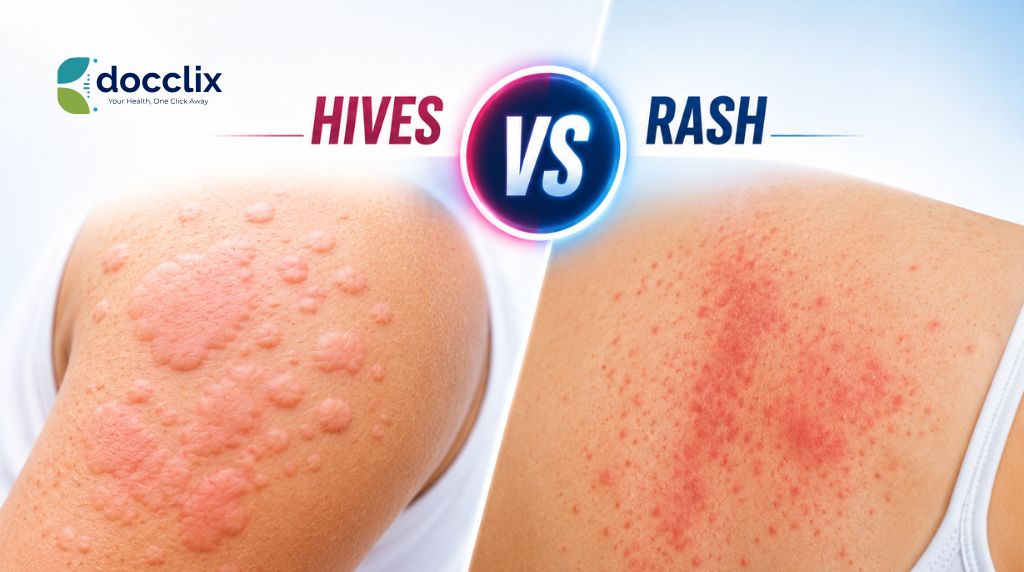
Skin problems are among the most common health concerns affecting people of all ages. Redness, itching, bumps, or irritation on the skin can often create confusion, especially when trying to identify whether it is hives or a rash. Many people search online for hives vs rash to understand the difference between these two common skin conditions and determine when medical attention may be needed.
Although hives and rashes may appear similar at first, they differ in appearance, causes, duration, and treatment approaches. Some skin reactions are temporary and harmless, while others may indicate allergies, infections, or underlying medical conditions. Understanding the difference helps patients seek the right treatment and avoid unnecessary complications.
What are Hives?
Hives, also called urticaria, are raised, itchy welts that appear suddenly on the skin. They are usually caused by allergic reactions, infections, medications, stress, or environmental triggers. Hives can appear anywhere on the body and often change shape or location within hours.
In many cases, hives disappear on their own, but chronic or severe episodes may require medical treatment. Identifying triggers plays an important role in preventing recurrence.
-
Appearance of Hives
Hives usually appear as raised, red, or skin-colored welts with clear edges. They may vary in size and often merge together to form larger patches.
The affected area is usually itchy and may feel warm or uncomfortable.
-
Duration of Hives
Acute hives generally last for a few hours to a few days. Chronic hives may continue for more than six weeks and require detailed medical evaluation. Symptoms can appear suddenly and disappear without leaving marks.
What is a Rash?
A rash is a broader term used to describe any visible change in skin texture or color. Rashes can occur due to infections, allergies, autoimmune conditions, heat, irritation, or chronic skin diseases. Unlike hives, rashes may develop gradually and can present in different forms such as redness, scaling, dryness, blisters, or bumps.
-
Appearance of a Rash
Rashes can appear flat or raised depending on the underlying cause. Some may be dry and flaky, while others may contain blisters or pus-filled lesions. The appearance often helps doctors identify the specific skin condition.
-
Duration of a Rash
The duration of a rash depends on its cause. Some rashes disappear within days, while chronic conditions like eczema or psoriasis may persist for months or years. Proper diagnosis is essential for effective treatment.
Hives vs Rash: Key Differences
Understanding hives vs rash becomes easier when comparing their symptoms, appearance, causes, and duration. Although both conditions affect the skin and may cause discomfort, they have distinct characteristics that help healthcare professionals identify the underlying cause. Recognizing these differences can help patients seek appropriate treatment and avoid potential complications.
|
Feature |
Hives (Urticaria) |
Rash |
|
Appearance |
Raised, swollen welts or bumps that may be red, pink, or skin-colored. The welts often change size, shape, and location within hours. |
Flat or raised areas of skin that may appear red, scaly, dry, blistered, or bumpy. The appearance usually remains more consistent over time. |
|
Skin Texture |
Typically smooth but swollen due to fluid accumulation beneath the skin. |
May be rough, flaky, dry, crusted, blistered, or thickened depending on the underlying condition. |
|
Common Causes |
Allergic reactions, food allergies, medications, insect stings, infections, stress, heat, cold exposure, or unknown triggers. |
Skin infections, eczema, psoriasis, fungal infections, heat rash, autoimmune disorders, irritants, and allergic contact dermatitis. |
|
Itching Intensity |
Usually causes intense itching that develops suddenly and may become severe. |
Itching can range from mild to severe. Some rashes cause burning, pain, tenderness, or peeling instead of itching. |
|
Duration |
Individual hives often disappear within a few hours, although new welts may continue to appear. Acute hives usually resolve within days to weeks. |
May last from several days to months depending on the cause. Chronic skin conditions can cause recurrent or persistent rashes. |
|
Location Changes |
Frequently moves from one area of the body to another. Welts may disappear in one location and reappear elsewhere. |
Usually remains in the same affected area until the underlying condition improves. |
|
Swelling |
Often accompanied by noticeable swelling beneath the skin, especially around the lips, eyelids, hands, or feet. |
Swelling is less common and usually depends on the specific type of rash. |
|
Triggers |
Commonly triggered by allergens, medications, foods, temperature changes, exercise, or emotional stress. |
Often linked to infections, chronic inflammatory conditions, environmental irritants, or prolonged skin irritation. |
|
Risk of Allergic Reaction |
More likely to be associated with allergic reactions and, in severe cases, anaphylaxis. |
Most rashes are not associated with life-threatening allergic reactions, though some allergic skin conditions can occur. |
|
Treatment Approach |
Typically managed with antihistamines, trigger avoidance, and treatment of underlying allergic causes. |
Treatment varies depending on the diagnosis and may include moisturizers, topical creams, antibiotics, antifungal medications, or anti-inflammatory therapies. |
|
When to Seek Medical Care |
Immediate medical attention is needed if hives occur with difficulty breathing, facial swelling, or signs of anaphylaxis. |
Medical evaluation is recommended if the rash spreads rapidly, becomes painful, develops signs of infection, or persists despite treatment. |
While hives are usually characterized by rapidly changing, itchy welts caused by allergic or immune responses, rashes encompass a broader range of skin conditions with diverse causes and appearances. A healthcare professional can help determine the exact cause and recommend the most effective treatment when symptoms are persistent, severe, or recurrent.
Experiencing persistent skin symptoms? Consult a qualified dermatologist through DocClix and get expert medical guidance tailored to your needs.
Common Causes of Hives
Hives can develop when the body's immune system reacts to specific triggers, causing the release of histamine and other inflammatory chemicals into the skin. This reaction leads to the characteristic itchy, raised welts associated with hives. While many cases can be linked to identifiable triggers, some individuals experience hives without a clear cause, a condition known as idiopathic urticaria. Understanding common triggers can help prevent future episodes and improve symptom management.
1. Food Allergies
Food allergies are among the most common causes of acute hives. Foods such as nuts, shellfish, eggs, milk, dairy products, soy, and certain fruits can trigger an allergic reaction in sensitive individuals. Symptoms often develop within minutes to a few hours after consuming the trigger food and may include itching, swelling, redness, and raised welts on the skin. In severe cases, food allergies can lead to anaphylaxis, a medical emergency that requires immediate treatment.
2. Medication Reactions
Certain medications can cause hives as an allergic or adverse reaction. Common triggers include antibiotics, nonsteroidal anti-inflammatory drugs (NSAIDs), aspirin, pain relievers, and some blood pressure medications. Hives may develop shortly after taking the medication or after repeated exposure. Patients with a history of drug allergies should always inform their healthcare provider before starting new medications to reduce the risk of allergic reactions.
3. Stress and Environmental Factors
Emotional stress and environmental conditions can also contribute to hives in some individuals. Physical triggers such as excessive heat, cold temperatures, sunlight exposure, sweating, pressure on the skin, or vigorous exercise may cause hives to appear. Stress can worsen existing symptoms by increasing the body's inflammatory response. Managing stress through relaxation techniques, regular exercise, adequate sleep, and healthy lifestyle habits may help reduce the frequency and severity of flare-ups.
Common Causes of Skin Rashes
Skin rashes can develop for many reasons, including infections, allergic reactions, environmental irritants, and chronic inflammatory skin conditions. The appearance, location, duration, and associated symptoms of a rash often provide important clues about its underlying cause. Because treatment varies depending on the specific condition, a medical evaluation may be necessary to determine the most appropriate diagnosis and management plan.
1. Eczema
Eczema, also known as atopic dermatitis, is a common skin condition that causes dry, itchy, inflamed, and sometimes cracked skin patches. It frequently affects areas such as the hands, face, neck, elbows, and behind the knees. Although eczema often begins in childhood, it can persist or develop in adulthood. Common triggers include allergens, harsh soaps, weather changes, stress, and skin irritants. Proper skin care, moisturization, and avoiding known triggers can help manage symptoms and reduce flare-ups.
2. Psoriasis
Psoriasis is a chronic autoimmune skin disorder that accelerates the growth cycle of skin cells, resulting in thick, red, and scaly patches. These patches commonly appear on the scalp, elbows, knees, lower back, and other areas of the body. Symptoms may include itching, burning, discomfort, and skin cracking. Because psoriasis is a long-term condition, treatment often focuses on controlling symptoms and preventing flare-ups through topical medications, light therapy, or systemic treatments prescribed by a healthcare professional.
3. Fungal and Viral Infections
Various fungal and viral infections can cause skin rashes with different appearances and symptoms. Fungal infections such as ringworm, athlete's foot, and yeast infections often cause itchy, red, and sometimes scaly skin lesions. Viral illnesses including measles, chickenpox, roseola, and hand-foot-and-mouth disease may produce widespread rashes accompanied by fever and other symptoms. Treatment depends on the underlying infection and may involve antifungal medications, antiviral therapies, or supportive care to relieve symptoms and promote recovery.
When Should You See a Doctor?
Many mild skin reactions improve on their own, but persistent or severe symptoms require medical attention. Delayed treatment may worsen the condition or lead to complications. Consulting a dermatologist helps ensure accurate diagnosis and safe treatment.
-
Severe Allergic Symptoms
If hives occur with breathing difficulty, facial swelling, or dizziness, emergency medical attention is required immediately. These symptoms may indicate a serious allergic reaction.
-
Persistent or Spreading Rash
A rash that spreads rapidly, becomes painful, or lasts for several weeks should be evaluated by a doctor. Medical assessment helps identify infections or chronic skin conditions.
Treatment Options for Hives and Rashes
Treatment for hives and rashes depends on the underlying cause, severity of symptoms, and how long the condition has been present. While many mild cases resolve with basic care and avoidance of triggers, persistent or severe symptoms may require medical treatment.
An accurate diagnosis is important because different skin conditions often require different treatment approaches. Doctors may recommend medications, skincare measures, allergy management strategies, and lifestyle modifications to help relieve symptoms and prevent recurrence.
-
Antihistamines for Hives
Antihistamines are one of the most common treatments for hives (urticaria). These medications work by blocking the effects of histamine, a chemical released during allergic reactions that causes itching, redness, and swelling. Antihistamines can help reduce discomfort and prevent new hives from developing.
They are frequently prescribed for both acute and chronic urticaria and may be used alone or in combination with other treatments depending on symptom severity. In some cases, healthcare providers may adjust the dosage or recommend alternative medications for better symptom control.
-
Topical Creams and Ointments
Topical treatments can be effective for managing many types of skin rashes. Corticosteroid creams help reduce inflammation, redness, and itching, while moisturizing creams and soothing lotions can support skin healing and improve comfort. Depending on the diagnosis, doctors may also prescribe antifungal, antibacterial, or medicated creams. Because different skin conditions can appear similar, patients should avoid self-medicating without a proper diagnosis, as inappropriate treatment may worsen symptoms or delay recovery.
-
Lifestyle and Trigger Management
Identifying and avoiding known triggers is an important part of managing both hives and rashes. Common triggers may include allergens, certain foods, medications, harsh skincare products, environmental irritants, excessive heat, and stress.
Maintaining good skin hygiene, using fragrance-free moisturizers, wearing breathable clothing, and following a gentle skincare routine can help protect the skin and reduce flare-ups. Lifestyle modifications are particularly beneficial for individuals with chronic skin conditions, as long-term trigger management can improve symptom control and enhance overall skin health.
How DocClix Helps You Find the Right Dermatologist?
Skin conditions can sometimes be difficult to identify without professional evaluation, as many rashes, allergic reactions, and chronic skin disorders share similar symptoms. Consulting a qualified dermatologist is important for obtaining an accurate diagnosis and receiving appropriate treatment.
DocClix makes this process easier by helping patients connect with experienced and verified dermatologists for both online and in-clinic consultations based on their specific symptoms and healthcare needs.
With DocClix, patients can conveniently access video and chat consultations from the comfort of their homes, making it easier to seek medical advice for initial skin evaluations and follow-up care. The platform also provides secure digital health record management, allowing users to store prescriptions, diagnostic reports, and medical documents in one place. By simplifying specialist access and improving healthcare organization, DocClix helps patients receive timely and effective dermatological care.
🩺 Consult a Dermatologist for Skin Allergy & Rash Treatment
Experiencing itchy skin, redness, or allergic reactions? Connect with experienced dermatologists and get the right diagnosis and treatment for your skin concerns.
Conclusion
Understanding the difference between hives vs rash is important for recognizing symptoms and seeking the right treatment. While hives are often linked to allergic reactions and appear suddenly as itchy welts, rashes can result from infections, irritation, or chronic skin conditions.
Early medical evaluation helps identify the underlying cause and prevents complications. With proper diagnosis, treatment, and trigger management, most skin conditions can be controlled effectively. Platforms like DocClix make it easier for patients to connect with dermatologists and receive timely skin care guidance.
FAQs
Q1. How can you tell the difference between hives and a rash?
Hives are raised, itchy welts that appear suddenly and may move around the body, while a rash is a broader skin irritation that may appear flat, dry, scaly, or bumpy depending on the cause.
Q2. Are hives more itchy than a rash?
Yes, hives usually cause intense itching and swelling, whereas some rashes may cause burning, dryness, or mild irritation instead of severe itching.
Q3. Can stress cause hives or rashes?
Yes, stress can trigger both hives and certain skin rashes by affecting the immune system and increasing inflammation in the body.
Q4. When should I worry about hives or a rash?
You should seek medical attention if symptoms spread rapidly, last for several weeks, or occur with breathing difficulty, swelling, or fever.
Q5. Can hives turn into a rash?
Hives and rashes are different skin reactions, but prolonged scratching or irritation from hives may sometimes lead to additional skin inflammation resembling a rash.
For Doctors & Clinics
Get your AI Visibility Page for ₹1,999
One-time setup. Google, ChatGPT & Gemini ready. No monthly commitment to start.
Get Onboarded — ₹1,999 arrow_forward
Medical Sources & Evidence-Based Guidelines
DocClix content is curated from reputable clinical guidelines, peer-reviewed medical publications, and statutory healthcare bodies including the World Health Organization (WHO), National Medical Commission (NMC), and Indian Council of Medical Research (ICMR).
- National Health Mission (NHM) Clinical Protocols and Standard Treatment Guidelines.
- Indian Council of Medical Research (ICMR) Evidence-Based Disease Management.
- PubMed / National Library of Medicine (NLM) Peer-Reviewed Studies.