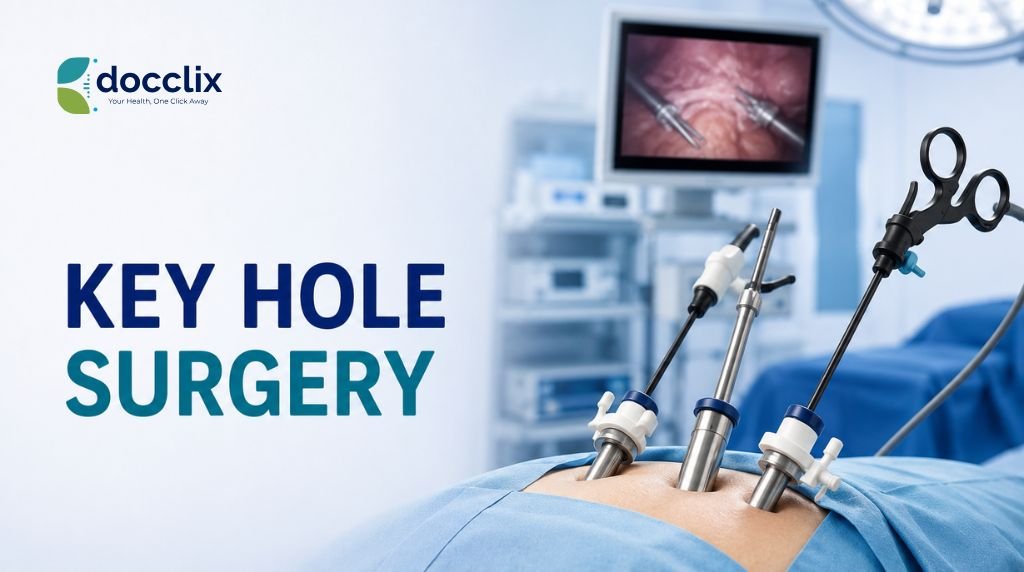
Advancements in medical technology have transformed the way surgeries are performed today. One of the biggest breakthroughs is key hole surgery, also known as laparoscopic or minimally invasive surgery. Instead of making one large incision, surgeons perform the operation through a few small cuts using a tiny camera and specialized surgical instruments. This modern technique allows doctors to treat many conditions with greater precision while minimizing damage to surrounding tissues.
Today, key hole surgery is widely used across several medical specialties, including general surgery, gynecology, urology, orthopedics, thoracic surgery, and colorectal surgery. Compared to traditional open surgery, patients often experience less pain, smaller scars, reduced blood loss, shorter hospital stays, and faster recovery. In this comprehensive guide, you'll learn everything about key hole surgery, including how it works, its types, benefits, recovery process, risks, and when it may be the right treatment option.
What Is Key Hole Surgery?
Key hole surgery is a minimally invasive surgical procedure performed through small incisions instead of one large surgical cut. A thin instrument called a laparoscope, equipped with a high-definition camera and light source, is inserted through one of the small openings. The camera sends magnified images of the internal organs to a monitor, allowing the surgeon to perform the procedure with excellent visibility and precision.
Specialized surgical instruments are inserted through the remaining incisions to complete the operation. Because the incisions are much smaller than those used in open surgery, patients generally experience less postoperative pain, reduced risk of infection, minimal scarring, and a quicker return to their normal daily activities. Today, key hole surgery has become the preferred surgical approach for many common medical conditions due to its safety and effectiveness.
How Does Key Hole Surgery Work?
Although the exact procedure varies depending on the condition being treated, the overall process of key hole surgery follows a similar approach. Every step is carefully planned to ensure patient safety while achieving the best possible surgical outcome. Modern imaging technology and specialized instruments allow surgeons to perform complex procedures with remarkable precision.
-
Administration of Anesthesia
Before the surgery begins, the patient is given general anesthesia so they remain asleep and pain-free throughout the procedure. In certain cases, regional anesthesia may be considered depending on the type of surgery being performed. Throughout the operation, the anesthesiology team closely monitors the patient's heart rate, blood pressure, breathing, and oxygen levels to ensure maximum safety.
-
Creating Small Incisions
Once the anesthesia takes effect, the surgeon makes two to four small incisions, usually measuring between 0.5 and 1.5 centimeters. These tiny openings provide access for the laparoscope and other surgical instruments. Since the incisions are much smaller than those used in traditional surgery, there is significantly less damage to the muscles and surrounding tissues, leading to reduced pain and faster healing.
-
Inflating the Surgical Area
For abdominal procedures, carbon dioxide gas is gently introduced into the abdominal cavity. This creates additional working space by lifting the abdominal wall away from the organs, allowing the surgeon to clearly view the surgical area. Better visibility improves precision and reduces the risk of accidental injury during the operation. Once the procedure is complete, the gas is safely released from the body.
-
Performing the Procedure
The laparoscope continuously sends high-definition images to a monitor inside the operating room, allowing the surgeon to perform the operation with exceptional accuracy. Using long, specialized surgical instruments, the surgeon removes diseased tissue, repairs damaged organs, or completes the planned procedure. The magnified view provided by the camera often offers greater precision than traditional open surgery.
-
Closing the Incisions
After the surgery is completed, all instruments are carefully removed and the remaining gas is released from the body. The small incisions are then closed using stitches, surgical glue, or adhesive strips depending on the procedure. Sterile dressings are applied to protect the wounds, and patients are monitored during recovery before being discharged or shifted to their hospital room.
Types of Key Hole Surgery
The term key hole surgery includes several minimally invasive surgical techniques used in different parts of the body. Each type is designed to treat specific medical conditions while reducing surgical trauma and promoting faster recovery. The choice of procedure depends on the affected organ, the patient's overall health, and the surgeon's recommendation.
-
Laparoscopic Surgery
Laparoscopic surgery is the most common form of key hole surgery and is mainly performed for conditions affecting the abdomen and pelvis. It is widely used for gallbladder removal, appendix removal, hernia repair, bariatric surgery, colorectal procedures, and many gynecological operations.
Because only small incisions are required, patients usually experience less pain, minimal blood loss, and a shorter hospital stay. Many individuals are able to resume normal daily activities much sooner compared to traditional open surgery.
-
Arthroscopic Surgery
Arthroscopic surgery is a minimally invasive procedure used to diagnose and treat joint problems. Orthopedic surgeons commonly perform arthroscopy on the knee, shoulder, ankle, wrist, elbow, and hip using a tiny camera called an arthroscope.
This technique helps repair torn ligaments, damaged cartilage, meniscus injuries, and other joint conditions without making large incisions. As a result, patients often recover faster and require less rehabilitation compared to conventional joint surgery.
-
Thoracoscopic Surgery
Thoracoscopic surgery, also known as Video-Assisted Thoracoscopic Surgery (VATS), is performed through small incisions in the chest. It allows surgeons to examine and treat conditions affecting the lungs, pleura, and other structures within the chest cavity.
This minimally invasive approach is commonly used for lung biopsies, removal of lung nodules, treatment of collapsed lungs, and certain chest surgeries. Compared to open chest surgery, patients generally experience less postoperative pain and a quicker recovery.
-
Robotic-Assisted Key Hole Surgery
Robotic-assisted surgery is an advanced form of minimally invasive surgery that combines laparoscopic techniques with robotic technology. The surgeon controls robotic arms from a specialized console, allowing highly precise movements during complex surgical procedures.
Robotic-assisted key hole surgery is increasingly used for prostate surgery, colorectal surgery, kidney surgery, gynecological procedures, and other operations where enhanced precision is beneficial. It offers improved surgical accuracy while maintaining the advantages of minimally invasive surgery.
Conditions Treated with Key Hole Surgery
One of the biggest advantages of key hole surgery is its versatility. It is now used to treat a wide range of medical conditions across different surgical specialties. As technology continues to advance, more procedures are being performed using minimally invasive techniques, allowing patients to recover faster with fewer complications.
-
Gallbladder Stones
Gallstones are one of the most common reasons patients undergo laparoscopic surgery. During a laparoscopic cholecystectomy, the surgeon removes the gallbladder through a few small incisions using specialized instruments and a camera.
This approach reduces postoperative pain, minimizes scarring, and allows many patients to return home within 24 hours. Most individuals can resume their normal activities within a few weeks, depending on their overall health.
-
Hernia Repair
Key hole surgery is widely used to repair different types of hernias, including inguinal, femoral, umbilical, and incisional hernias. The weakened portion of the abdominal wall is strengthened using a surgical mesh, reducing the likelihood of recurrence.
Compared to open hernia surgery, the laparoscopic approach often results in smaller scars, reduced discomfort, and a quicker recovery period.
-
Appendix Removal
Acute appendicitis is commonly treated using laparoscopic appendectomy. The inflamed appendix is removed through small incisions, reducing trauma to the abdominal muscles.
Patients generally experience less pain, a lower risk of wound infection, and a faster return to normal activities compared to traditional open appendix surgery.
-
Bariatric Surgery
Many modern weight-loss procedures, including sleeve gastrectomy and gastric bypass surgery, are performed using key hole surgery. These procedures help individuals with severe obesity achieve significant and long-term weight loss while improving obesity-related medical conditions.
The minimally invasive approach shortens hospital stays, reduces postoperative discomfort, and supports quicker recovery after surgery.
-
Gynecological Conditions
Many gynecological disorders can be treated using key hole surgery, including ovarian cysts, uterine fibroids, endometriosis, ectopic pregnancy, hysterectomy, and certain fertility-related procedures.
Smaller incisions reduce postoperative pain and improve cosmetic outcomes while allowing women to recover more comfortably than with traditional open surgery.
-
Kidney and Urological Conditions
Urologists frequently perform minimally invasive surgery for kidney cysts, kidney tumors, adrenal gland disorders, ureteric conditions, and selected prostate procedures. The enhanced precision of laparoscopic techniques helps preserve healthy tissues while reducing recovery time.
Patients often experience shorter hospital stays and can return to their normal routines much sooner than after open urological surgery.
-
Colorectal Conditions
Laparoscopic colorectal surgery is commonly performed to treat colon cancer, rectal cancer, inflammatory bowel disease, diverticular disease, and certain bowel obstructions. The minimally invasive approach allows surgeons to perform complex intestinal procedures while minimizing surgical trauma.
Many patients benefit from reduced postoperative pain, quicker bowel recovery, and faster discharge from the hospital, making key hole surgery an increasingly preferred option for colorectal conditions.
Benefits of Key Hole Surgery
The growing popularity of key hole surgery is largely due to the many advantages it offers over traditional open surgery. Since the procedure is performed through small incisions, it reduces trauma to muscles and surrounding tissues while delivering excellent surgical outcomes. Although individual results vary depending on the patient's condition and the type of surgery, many people experience a smoother recovery and fewer complications.
- Smaller Incisions & Minimal Scarring: Tiny incisions heal faster and leave less noticeable scars. They also reduce wound-related complications and require less postoperative care.
- Less Pain After Surgery: Minimal tissue damage leads to less postoperative pain and a lower need for pain medication. Patients can move around sooner, supporting a smoother recovery.
- Faster Recovery: Smaller wounds allow the body to heal more efficiently. Most patients can return to daily activities and work sooner, depending on the procedure.
- Shorter Hospital Stay: Many key hole surgeries allow discharge within 24–48 hours or even the same day. This improves comfort and helps reduce hospitalization costs.
- Reduced Risk of Infection: Smaller wounds and less exposure of internal organs lower the risk of postoperative infections. Proper wound care further supports safe healing.
- Less Blood Loss & Quicker Return to Normal Life: Smaller incisions usually result in less bleeding and reduce the need for blood transfusions. Patients often resume walking, driving, work, and other routine activities much earlier than with open surgery.
Who Is a Good Candidate for Key Hole Surgery?
Although key hole surgery offers numerous benefits, it may not be suitable for everyone. The decision depends on several factors, including the patient's medical condition, overall health, previous surgeries, and the complexity of the procedure required.
A thorough evaluation by an experienced surgeon helps determine whether a minimally invasive approach is appropriate.
- Patients with Early-Stage Surgical Conditions
- Patients in Good General Health
- Patients Seeking Faster Recovery
- Patients Without Extensive Scar Tissue
When Is Open Surgery Preferred?
Although key hole surgery is suitable for many conditions, there are situations where traditional open surgery remains the safer and more effective option. The surgeon always chooses the approach that provides the best possible outcome for the patient.
-
Complex or Advanced Disease
Some cancers, severe infections, large tumors, or complicated injuries may require open surgery to provide better access to the affected organs.
-
Extensive Internal Adhesions
Patients who have undergone multiple previous abdominal operations may have dense scar tissue that limits the movement of laparoscopic instruments.
If the adhesions prevent safe surgery, the surgeon may recommend open surgery or convert from laparoscopic surgery to an open procedure during the operation if necessary.
-
Emergency Surgical Situations
Certain life-threatening emergencies require immediate access to internal organs. In these cases, open surgery may allow faster treatment and better control of bleeding or severe infection.
The surgical team will always prioritize patient safety when selecting the most appropriate technique.
-
Technical Limitations
Although minimally invasive surgery continues to advance, some highly complex procedures still require traditional open techniques depending on the patient's anatomy and the available surgical equipment.
Your surgeon will explain the reasons for recommending a particular approach before the procedure.
How to Prepare for Key Hole Surgery?
Proper preparation helps improve surgical outcomes and supports a smoother recovery. Your healthcare team will provide personalized instructions based on the type of surgery being performed and your medical history.
Following these recommendations carefully can reduce complications and make your recovery more comfortable.
-
Medical Evaluation
Before surgery, your doctor will review your medical history, current medications, allergies, and previous operations. Blood tests, imaging scans, electrocardiograms (ECG), or other investigations may be required to assess your overall health.
These evaluations help identify any medical conditions that need attention before surgery.
-
Medication Adjustments
Certain medications, including blood thinners, diabetes medications, and herbal supplements, may need to be stopped or adjusted before surgery.
Never discontinue prescribed medicines without consulting your surgeon or physician.
-
Fasting Before Surgery
Most patients are instructed not to eat or drink anything for several hours before the procedure. Fasting reduces the risk of complications related to anesthesia.
Always follow the fasting instructions provided by your hospital or surgical team.
-
Arrange Postoperative Support
Although recovery is usually quicker after key hole surgery, you may still need someone to drive you home and assist you during the first day or two after discharge.
Preparing your home in advance with essential supplies can also make recovery more comfortable.
What Happens During the Procedure?
Understanding what happens in the operating room can help reduce anxiety before surgery. While the exact steps vary depending on the procedure, the overall process remains similar for most laparoscopic operations.
After anesthesia is administered, the surgeon creates small incisions, inserts the laparoscope, inflates the surgical area with carbon dioxide gas when necessary, and performs the operation using specialized instruments. Throughout the procedure, the surgical team continuously monitors the patient's vital signs.
Once the surgery is completed, the instruments are removed, the gas is released, and the small incisions are closed using stitches or surgical glue. The patient is then transferred to the recovery room for close observation until the effects of anesthesia begin to wear off.
Recovery After Key Hole Surgery
Recovery following key hole surgery is usually faster than after open surgery, but it still requires patience and proper postoperative care. The length of recovery depends on the type of surgery performed, the patient's age, overall health, and how well the postoperative instructions are followed.
Most people notice gradual improvement over the first few weeks and can resume their normal activities much sooner than after traditional surgery.
-
Immediately After Surgery
After the procedure, patients are monitored in the recovery room while the effects of anesthesia wear off. Mild discomfort, bloating, sore throat, or shoulder pain caused by the carbon dioxide gas may occur temporarily and usually resolves within a few days.
-
Caring for the Surgical Wounds
Keeping the incision sites clean and dry is essential for proper healing. Patients should follow their surgeon's instructions regarding wound cleaning, bathing, dressing changes, and activity restrictions.
-
Returning to Daily Activities
Light walking is encouraged soon after surgery because it improves blood circulation and reduces the risk of complications such as blood clots. However, heavy lifting, strenuous exercise, and physically demanding activities should be avoided until approved by the surgeon.
Possible Risks and Complications of Key Hole Surgery
Although key hole surgery is considered a safe and effective surgical technique, no operation is entirely free from risks. Most patients recover without major complications, especially when the procedure is performed by an experienced surgeon and postoperative instructions are followed carefully. Understanding the possible risks helps patients make informed decisions and recognize when medical attention may be needed.
The likelihood of complications depends on factors such as the patient's age, overall health, underlying medical conditions, and the complexity of the procedure.
-
Infection
Although the risk of infection is lower than with traditional open surgery, infections can still develop at the incision sites or, less commonly, inside the body. Symptoms may include redness, swelling, warmth, pus discharge, fever, or increasing pain around the surgical wound.
Proper wound care, maintaining good hygiene, and taking prescribed antibiotics when recommended can significantly reduce the risk of infection.
-
Bleeding
Minor bleeding during surgery is common and is usually well controlled by the surgical team. However, excessive bleeding can occasionally occur, particularly during complex procedures or in patients taking blood-thinning medications.
If significant bleeding develops after surgery, additional treatment or, in rare cases, another operation may be required.
-
Injury to Nearby Organs
During key hole surgery, there is a small possibility of accidental injury to nearby organs, blood vessels, nerves, or surrounding tissues. The risk depends on the type of procedure and the patient's anatomy.
Experienced surgeons use advanced imaging and specialized instruments to minimize this risk, but patients should still be aware that such complications, although uncommon, can occur.
-
Blood Clots
Any surgical procedure carries a small risk of developing blood clots in the legs, known as deep vein thrombosis (DVT). If a clot travels to the lungs, it can cause a serious condition called pulmonary embolism.
Early walking after surgery, wearing compression stockings, and taking prescribed blood-thinning medications when necessary help reduce this risk.
-
Reaction to Anesthesia
Some patients may experience side effects related to general anesthesia, including nausea, vomiting, dizziness, sore throat, or temporary confusion. Serious allergic reactions are rare but can occur.
The anesthesiology team carefully evaluates every patient before surgery to minimize anesthesia-related complications and ensure safe monitoring throughout the procedure.
-
Conversion to Open Surgery
In some situations, the surgeon may decide to convert a laparoscopic procedure into an open surgery during the operation. This decision is made only when it is necessary to ensure patient safety.
Reasons for conversion may include excessive bleeding, dense scar tissue, unexpected findings, or difficulty visualizing the surgical area. Although uncommon, patients should understand that this possibility exists before undergoing key hole surgery.
Tips for Faster Recovery After Key Hole Surgery
A successful recovery depends not only on the surgery itself but also on how well patients care for themselves afterward. Following your surgeon's advice can help reduce complications, promote healing, and allow you to return to normal activities more quickly.
Small lifestyle adjustments during the recovery period can make a significant difference in your overall healing experience.
- Follow Your Doctor's Instructions
- Eat a Nutritious Diet
- Stay Physically Active
- Keep the Surgical Site Clean
- Attend Follow-Up Appointments
When Should You Contact Your Doctor?
While mild discomfort and fatigue are normal during recovery, certain symptoms require prompt medical evaluation. Recognizing these warning signs early can help prevent serious complications and ensure timely treatment.
Never ignore symptoms that seem unusual or continue to worsen after surgery.
- Persistent Fever
- Increasing Pain
- Redness or Discharge from the Wound
- Difficulty Breathing or Chest Pain
- Persistent Nausea or Vomiting
How DocClix Helps You Find the Right Surgeon?
Choosing an experienced surgeon is one of the most important factors in achieving successful surgical outcomes. Whether you require key hole surgery for gallstones, a hernia, appendix removal, bariatric surgery, or another medical condition, finding the right specialist can make a significant difference in your treatment journey.
DocClix simplifies this process by helping patients connect with qualified surgeons across multiple specialties through one trusted healthcare platform.
With DocClix, you can search for experienced doctors based on their specialty, location, years of experience, and patient reviews. This makes it easier to compare healthcare professionals and choose a surgeon who best suits your medical needs.
🔬 Get Expert Surgical Care from Trusted Specialists
If you have been advised to undergo key hole surgery, consulting an experienced surgeon is the first step toward safe and effective treatment. Whether you need surgery for gallstones, hernia, appendix, or another condition, the right specialist can guide you through every stage of your care.
Conclusion
Key hole surgery has transformed modern healthcare by offering a safer, less invasive alternative to many traditional surgical procedures. Smaller incisions, reduced pain, shorter hospital stays, quicker recovery, and minimal scarring have made it the preferred approach for treating a wide variety of medical conditions. However, the suitability of this technique depends on the patient's overall health, the nature of the condition, and the surgeon's clinical assessment.
If your doctor recommends key hole surgery, understanding the procedure, preparing appropriately, and following postoperative instructions can significantly improve your recovery and overall outcome. Choosing an experienced surgeon is equally important in ensuring a safe and successful operation.
If you're looking for qualified surgeons or need expert medical advice, DocClix makes it easy to find experienced specialists, compare doctor profiles, book appointments online, consult through video or chat, and manage your healthcare journey with confidence.
FAQs
Q1. Is key hole surgery always better than open surgery?
Not always. While key hole surgery offers several advantages such as smaller incisions and faster recovery, open surgery may be a better option for certain complex conditions, large tumors, severe infections, or emergency situations. Your surgeon will recommend the safest approach based on your individual case.
Q2. How long does key hole surgery usually take?
The duration depends on the type of procedure being performed. Many laparoscopic surgeries take between 30 minutes and 3 hours, although more complex operations may require additional time.
Q3. Will I have visible scars after key hole surgery?
Yes, but the scars are usually very small and become less noticeable over time. Proper wound care, following your surgeon's instructions, and allowing adequate healing can help improve the cosmetic appearance of the scars.
Q4. Can older adults safely undergo key hole surgery?
Many older adults are suitable candidates for key hole surgery if they are medically fit for anesthesia and the procedure. The decision is based on overall health, existing medical conditions, and the surgeon's assessment rather than age alone.
Q5. How can I find an experienced surgeon for key hole surgery?
Choosing a qualified and experienced surgeon is essential for achieving the best outcomes. Through DocClix, you can compare specialists, read patient reviews, book appointments online, and connect with experienced surgeons who provide personalized care for a wide range of surgical conditions.
For Doctors & Clinics
Get your AI Visibility Page for ₹1,999
One-time setup. Google, ChatGPT & Gemini ready. No monthly commitment to start.
Get Onboarded — ₹1,999 arrow_forward