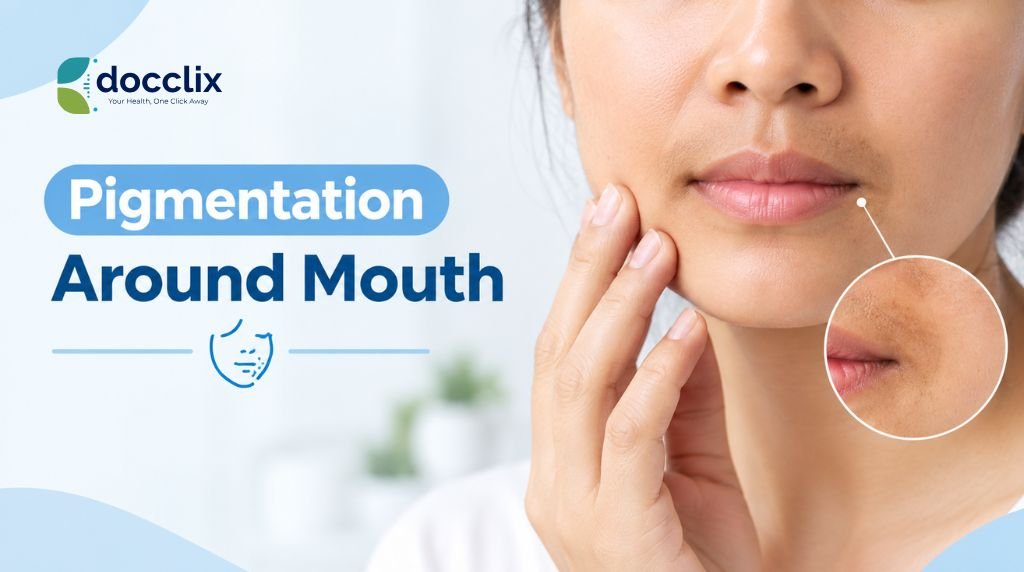
Pigmentation around the mouth is a common skin concern in which the skin surrounding the lips appears darker than the rest of the face. It may appear as brown patches, uneven skin tone, or a shadow-like appearance above the upper lip, below the lower lip, or around the corners of the mouth.
This concern can affect people of all skin types, and it may be more noticeable in individuals with medium to darker skin tones. Sun exposure, hormonal changes, skin irritation, inflammation, and certain skincare habits can contribute to the development or worsening of pigmentation.
The good news is that pigmentation around the mouth can often be managed with appropriate skincare, sun protection, and targeted treatments. However, the best approach depends on the underlying cause. Products that work for one person may irritate another person's skin and potentially make pigmentation worse.
This guide explores the common causes of pigmentation around the mouth, home-care measures, effective skincare ingredients, medical treatments, and when to consult a dermatologist.
What Is Pigmentation Around the Mouth?
Pigmentation around the mouth refers to areas of skin that appear darker than the surrounding facial skin. It occurs when melanin, the pigment responsible for skin colour, accumulates in certain areas or when the skin responds to irritation or inflammation by producing excess pigment.
The discolouration may develop gradually or appear after a period of skin irritation. Some people notice darkness mainly above the upper lip, while others experience pigmentation around the corners of the mouth or across the skin surrounding the lips.
Pigmentation around the mouth is not a single condition. It can result from several causes, including:
- Post-inflammatory hyperpigmentation: Dark marks that develop after inflammation, irritation, acne, or skin injury.
- Melasma: A pigmentary condition that can cause brown or grey-brown patches on the face, sometimes involving the area above the upper lip.
- Irritant or allergic contact dermatitis: Inflammation caused by certain skincare products, cosmetics, toothpaste, or other substances that come into contact with the skin.
- Sun-induced pigmentation: Darkening associated with exposure to ultraviolet radiation and, in some cases, visible light.
- Other skin or medical conditions: Persistent pigmentation may occasionally be associated with conditions that need medical evaluation.
Identifying the cause is important because treating every type of pigmentation in the same way can lead to irritation or unsatisfactory results.
What Causes Pigmentation Around the Mouth?
Several factors can contribute to darkening around the lips. In many cases, more than one factor is involved.
-
Genetics and Skin Type
Genetics can influence how much melanin your skin produces and how it responds to irritation or sun exposure. Some people naturally have darker pigmentation around the mouth compared with the rest of their face.
People with medium to darker skin tones may also be more prone to post-inflammatory hyperpigmentation after irritation or inflammation. Even minor skin injuries can leave dark marks that take months to fade.
Natural differences in skin colour do not necessarily indicate a health problem. However, if the pigmentation develops suddenly, changes noticeably, or occurs with other symptoms, it is worth seeking medical advice.
-
Sun Exposure and Hyperpigmentation
Sun exposure is an important contributor to many types of facial pigmentation. Ultraviolet radiation can stimulate melanin production, making existing dark patches more noticeable or contributing to new ones.
Visible light may also worsen certain pigmentary conditions, particularly melasma in people with darker skin tones. Dermatologists may recommend a tinted sunscreen containing iron oxides for additional visible-light protection. <Cite refs={["turn494196search1","turn494196search13"]}/>
The area around the mouth can be overlooked during sunscreen application, especially above the upper lip and near the corners of the lips.
To reduce sun-related darkening:
- Apply a broad-spectrum sunscreen with SPF 30 or higher every morning.
- Cover the skin around the mouth evenly.
- Reapply sunscreen at least every two hours when outdoors, and after swimming or heavy sweating.
- Consider a suitable tinted sunscreen containing iron oxides if pigmentation is a concern.
- Use shade and protective clothing when spending extended periods outdoors.
Consistent sun protection is an essential part of both treating and preventing facial pigmentation.
Hormonal Changes
Hormonal changes can contribute to melasma, a condition that commonly causes brown or grey-brown patches on the face. The upper lip may be affected along with the cheeks, forehead, or other areas.
Melasma can be associated with pregnancy, hormonal contraception, and other hormonal influences. Sun exposure can make the patches darker, and the condition may recur even after improvement.
If pigmentation appears during pregnancy or while using hormonal medication, avoid starting strong lightening treatments without medical advice. A dermatologist can help determine whether the pattern is consistent with melasma and recommend an appropriate treatment plan. <Cite refs={["turn494196search0","turn494196search3"]}/>
Skin Irritation, Lip Licking, and Hair Removal
Repeated irritation is another common reason for pigmentation around the mouth. When the skin becomes inflamed, it may produce additional melanin as part of its response, leaving darker marks after the irritation settles.
Possible triggers include:
- Frequently licking or rubbing the lips and surrounding skin.
- Waxing, threading, or other hair-removal methods that irritate the upper lip.
- Harsh exfoliants or strong skincare products.
- Fragranced cosmetics or products that cause contact dermatitis.
- Repeated rubbing with towels or rough cleansing tools.
If you notice burning, itching, scaling, or redness along with pigmentation, consider whether a product or habit may be irritating the area. Stop using suspected irritants and seek advice if symptoms persist.
Other Possible Causes
Persistent darkening around the mouth can occasionally be linked to other skin conditions or medical issues. For example, certain inflammatory skin conditions may leave pigmentation, while some systemic conditions can cause changes in skin colour around the mouth or elsewhere.
Darkening that develops quickly, spreads, becomes thick or velvety, or appears alongside unexplained symptoms should be assessed by a healthcare professional rather than treated with cosmetic products alone.
Types of Pigmentation Around the Mouth
Understanding the appearance and pattern of pigmentation can help a dermatologist narrow down possible causes. However, the exact diagnosis cannot always be made by appearance alone.
-
Post-Inflammatory Hyperpigmentation
Post-inflammatory hyperpigmentation develops after skin inflammation or injury. It may occur following acne, dermatitis, irritation from skincare products, or hair-removal procedures.
The affected area may appear light brown, dark brown, or greyish, depending on the depth of the pigment and the person's skin tone. The pigmentation can remain after the original irritation has resolved.
-
Melasma Around the Upper Lip
Melasma can appear as irregular brown or grey-brown patches on the face. When it affects the skin above the upper lip, it may look like a dark shadow or a moustache-like patch.
Sunlight and hormonal influences can contribute to melasma, and the pigmentation may become more noticeable after sun exposure. It can also recur after treatment, so long-term sun protection is important.
A dermatologist can distinguish melasma from other causes of upper-lip pigmentation and recommend treatment based on your skin type and the depth of the pigment.
-
Pigmentation Caused by Irritation
This type of pigmentation may develop around the lips after repeated friction, lip licking, allergic reactions, or exposure to irritating products.
The skin may initially appear red, dry, itchy, or flaky before darker patches become noticeable. Continuing to use the irritating product or repeating the triggering activity can prolong the problem.
The first step is to identify and reduce the source of irritation. Introducing multiple brightening products before the skin has settled may worsen the pigmentation.
How to Reduce Pigmentation Around the Mouth Naturally?
Natural approaches are best viewed as ways to support skin health and prevent further darkening rather than guaranteed methods for removing existing pigmentation.
Establish a Gentle Skincare Routine
A simple, consistent routine is often more helpful than using many products at once.
Morning routine:
- Wash your face with a gentle cleanser.
- Apply a moisturiser suitable for your skin type.
- Use a broad-spectrum sunscreen with SPF 30 or higher, covering the area around your mouth.
Evening routine:
- Gently cleanse your face to remove sunscreen, makeup, and daily residue.
- Apply a fragrance-free moisturiser.
- Use a targeted pigmentation product only if it is suitable for your skin and does not cause irritation.
Introduce new products gradually. If the area becomes red, itchy, or uncomfortable, stop the suspected product and allow the skin to recover.
Avoid Harsh Home Remedies
Lemon juice, baking soda, abrasive scrubs, and undiluted essential oils are sometimes promoted as home remedies for pigmentation. These substances can irritate the skin, particularly around the mouth, where the skin may be sensitive.
Irritation can trigger additional post-inflammatory pigmentation, making the original concern worse. Scrubbing harder or applying stronger ingredients does not necessarily make dark patches fade faster.
Instead, focus on gentle cleansing, moisturising, consistent sun protection, and products with ingredients that are appropriate for your skin.
Reduce Repeated Friction and Irritation
Small daily habits can help prevent further darkening.
- Avoid repeatedly licking or rubbing the skin around your lips.
- Use a gentle method for removing facial hair if waxing or threading causes irritation.
- Avoid fragranced products that trigger burning or itching.
- Do not pick at pimples, dry skin, or scabs.
- Use a moisturiser when the skin feels dry or tight.
If a habit or product is causing inflammation, addressing the trigger may be just as important as using a pigmentation treatment.
Skincare Solutions for Pigmentation Around the Mouth
Skincare ingredients can help improve some forms of pigmentation, but their effectiveness depends on the cause, concentration, formulation, and consistency of use.
Sunscreen and Protection for the Skin Around the Mouth
Sunscreen is one of the most important steps in managing facial pigmentation. Without consistent protection, sun exposure may darken existing marks and reduce the effectiveness of other treatments.
Choose a broad-spectrum sunscreen with SPF 30 or higher. If you are prone to melasma or pigmentation and the formula suits your skin, a tinted sunscreen containing iron oxides may provide additional protection against visible light.
Apply it evenly to the skin around the mouth and upper lip, avoiding direct contact with the inside of the mouth. Reapply as directed, especially during extended outdoor exposure. <Cite refs={["turn494196search1","turn494196search2"]}/>
Ingredients That May Help Reduce Pigmentation
Some topical ingredients are commonly used to manage uneven skin tone. The best choice depends on your skin sensitivity and the underlying diagnosis.
- Niacinamide
Niacinamide may help improve uneven skin tone and support the skin barrier. It is often included in moisturisers and serums and may be a suitable option for some people with sensitive skin. Irritation is still possible, so introduce it gradually.
- Vitamin C
Topical vitamin C is an antioxidant used in skincare products to support a more even-looking complexion. Product stability and formulation affect performance, and some preparations may cause stinging or irritation.
- Azelaic acid
Azelaic acid may help with certain forms of hyperpigmentation and can also be useful for some people with acne or inflammation. Concentration and suitability vary, so follow product instructions or your dermatologist's advice.
- Retinoids
Retinoids can support skin-cell turnover and may be prescribed for certain pigmentary conditions. However, they can cause dryness, peeling, and irritation, which may worsen pigmentation if not used appropriately.
Retinoids should not be started during pregnancy without medical advice, and prescription retinoids are generally avoided during pregnancy.
- Hydroquinone
Hydroquinone is a topical skin-lightening medicine used for selected pigmentation conditions. It should be used under appropriate medical guidance because unsuitable or prolonged use can cause adverse effects.
No single ingredient works for every type of pigmentation. Dermatologists may recommend one product or a carefully selected combination after assessing the skin. <Cite refs={["turn494196search0","turn494196search5","turn494196search11"]}/>
Medical Treatments for Pigmentation Around the Mouth
If pigmentation persists despite gentle skincare and sun protection, a dermatologist may discuss medical treatments. The appropriate option depends on whether the pigmentation is caused by melasma, inflammation, or another condition.
-
Chemical Peels for Pigmentation
Chemical peels use selected acids to exfoliate the skin in a controlled manner. Depending on the formulation and depth, they may help improve some types of superficial pigmentation.
However, peels can cause irritation, burns, and post-inflammatory hyperpigmentation, especially when the treatment is too strong or unsuitable for the person's skin tone.
The skin around the mouth can be sensitive, so chemical peels should be selected and performed by a qualified professional. At-home strong acid peels should be avoided unless specifically recommended by a qualified clinician.
-
Laser Treatment for Pigmentation
Certain laser and light-based procedures may be considered for selected pigmentary conditions that have not responded adequately to other treatments.
These procedures are not suitable for every type of pigmentation. In darker skin tones, some devices and settings can trigger additional inflammation and make pigmentation worse. Recurrence is also possible, particularly with conditions such as melasma.
A dermatologist should assess the cause and depth of pigmentation, explain expected benefits and risks, and determine whether a procedure is appropriate. Laser treatment should not be treated as a guaranteed or permanent solution. <Cite refs={["turn494196search5","turn494196search11"]}/>
-
Prescription Treatments
A dermatologist may recommend prescription creams or combinations of ingredients for conditions such as melasma or post-inflammatory hyperpigmentation. The treatment plan may include a pigment-reducing ingredient, a retinoid, or another medicine depending on the diagnosis.
Prescription products can cause irritation or other side effects if used incorrectly. Avoid using steroid-containing combination creams or unlabelled skin-lightening products without medical guidance.
-
How Long Does It Take to See Results?
Pigmentation usually fades gradually rather than overnight. Superficial dark marks may take several months to improve, while deeper pigmentation can take considerably longer.
Results depend on the cause, depth of the pigment, skin type, treatment choice, and whether the trigger continues. Consistent sunscreen use and avoiding irritation can help support treatment.
If a product causes persistent burning, redness, or peeling, do not assume that it is working better. Stop using it and seek medical advice if the reaction continues.
How to Prevent Pigmentation Around the Mouth from Returning?
Preventing recurrence involves protecting the skin and managing the factors that caused the pigmentation in the first place.
- Use sunscreen daily: Choose broad-spectrum SPF 30 or higher and apply it to the skin around the mouth.
- Choose gentle skincare: Avoid products that cause burning, itching, or persistent redness.
- Avoid excessive exfoliation: Frequent scrubbing can damage the skin barrier and trigger pigmentation.
- Manage hair-removal irritation: If waxing or threading repeatedly causes dark marks, consider a gentler alternative after discussing suitable options.
- Keep the skin moisturised: A suitable moisturiser can help reduce dryness and support the skin barrier.
- Follow your treatment plan: Use prescribed pigmentation treatments as directed and attend follow-up appointments when recommended.
Pigmentation caused by melasma may recur even after successful treatment. Maintenance skincare and sun protection can help reduce the risk of it becoming more noticeable again.
When Should You See a Dermatologist?
Consider consulting a dermatologist if pigmentation around your mouth persists, worsens, or does not improve with gentle skincare and sun protection.
Professional evaluation is especially important if you notice:
- Pigmentation that develops suddenly or spreads quickly.
- Persistent itching, burning, redness, or scaling.
- Thickened or velvety dark skin around the mouth or elsewhere.
- Pain, sores, bleeding, or changes in the lips or surrounding skin.
- Pigmentation that continues to worsen despite stopping irritating products.
- Dark patches accompanied by other unexplained symptoms.
A dermatologist can examine the affected area, review your skincare routine and medical history, and determine whether the pigmentation is related to melasma, inflammation, contact dermatitis, or another condition. Further tests may be considered when indicated.
Dermatologists to Consider in Bangalore
If you are looking for professional guidance for pigmentation around the mouth, you can explore dermatologist profiles on DocClix. The following doctors are listed in Bangalore. This is a directory of options, not a ranking or endorsement. Review the available profile details and confirm current services and appointment availability before booking.
Explore Dr. Amrita Hongal Gejje's DocClix profile to review the available doctor information and appointment options for dermatology care.
You can visit Dr. Dhruva Kumar BR's profile on DocClix to learn more about the listed doctor and check available appointment details.
Review Dr. Rakesh Reddy's DocClix profile to explore the available information and appointment options.
When choosing a dermatologist, consider your symptoms, the doctor's listed services, appointment availability, and your individual treatment needs. Confirm whether the doctor assesses facial pigmentation and discuss the potential benefits and risks of any proposed treatment.
Find a Dermatologist on DocClix
If you are concerned about pigmentation around your mouth, uneven skin tone, or persistent dark patches, consulting a qualified dermatologist can help you understand the cause and explore appropriate treatment options.
Explore dermatologist profiles and appointment options on DocClix to take the next step towards healthier skin.
Conclusion
Pigmentation around the mouth can develop due to sun exposure, hormonal influences, skin irritation, post-inflammatory hyperpigmentation, or other skin conditions. Although it is a common concern, the most effective treatment depends on identifying its underlying cause.
A gentle skincare routine, daily sunscreen, and avoiding irritating products can help prevent further darkening. Ingredients such as niacinamide, vitamin C, and azelaic acid may be useful for selected cases, while prescription treatments and procedures require appropriate professional assessment.
Avoid harsh home remedies and unregulated skin-lightening products, as they may worsen irritation and pigmentation. If the darkening persists, changes rapidly, or occurs with other symptoms, consult a dermatologist for an accurate diagnosis and a personalised treatment plan.
If you need professional guidance, you can explore dermatologist profiles and appointment options through DocClix.
FAQs
1. What causes pigmentation around the mouth?
Common causes include sun exposure, melasma, hormonal changes, irritation from skincare products, lip licking, hair removal, and post-inflammatory hyperpigmentation. A dermatologist can help identify the cause when the pigmentation persists or is difficult to manage.
2. How can I reduce pigmentation around my mouth naturally?
Start with a gentle cleanser, a suitable moisturiser, and daily broad-spectrum sunscreen with SPF 30 or higher. Avoid rubbing the skin and using harsh remedies such as lemon juice or baking soda, which can cause irritation and worsen pigmentation.
3. Which ingredients help reduce pigmentation around the mouth?
Niacinamide, vitamin C, and azelaic acid may help improve certain forms of pigmentation. Retinoids and hydroquinone may be considered in selected cases under appropriate guidance. The best ingredient depends on your skin type, sensitivity, and the cause of the pigmentation.
4. Does sunscreen help with pigmentation around the mouth?
Yes. Sunscreen helps protect against ultraviolet radiation that can worsen dark patches. A broad-spectrum sunscreen with SPF 30 or higher is recommended. A suitable tinted sunscreen containing iron oxides may offer additional protection against visible light for people prone to melasma or hyperpigmentation.
5. How long does pigmentation around the mouth take to fade?
It can take several months for pigmentation to improve, and deeper or recurring conditions may take longer. Results depend on the cause, treatment, skin type, and sun exposure. Consistent sun protection and avoiding irritation can help.
6. When should I consult a dermatologist for pigmentation around the mouth?
Consult a dermatologist if the pigmentation persists, spreads, develops suddenly, or occurs with itching, burning, scaling, pain, or other unusual symptoms. A dermatologist can assess the cause and recommend suitable skincare, prescription treatments, or procedures if needed.
7. Can pigmentation around the mouth be removed permanently?
There is no single treatment that guarantees permanent removal. Some forms of pigmentation can improve considerably, but conditions such as melasma may recur. Identifying the cause, following an appropriate treatment plan, and maintaining sun protection can help manage recurrence.
For Doctors & Clinics
Get your AI Visibility Page for ₹1,999
One-time setup. Google, ChatGPT & Gemini ready. No monthly commitment to start.
Get Onboarded — ₹1,999 arrow_forward
Medical Sources & Evidence-Based Guidelines
DocClix content is curated from reputable clinical guidelines, peer-reviewed medical publications, and statutory healthcare bodies including the World Health Organization (WHO), National Medical Commission (NMC), and Indian Council of Medical Research (ICMR).
- National Health Mission (NHM) Clinical Protocols and Standard Treatment Guidelines.
- Indian Council of Medical Research (ICMR) Evidence-Based Disease Management.
- PubMed / National Library of Medicine (NLM) Peer-Reviewed Studies.