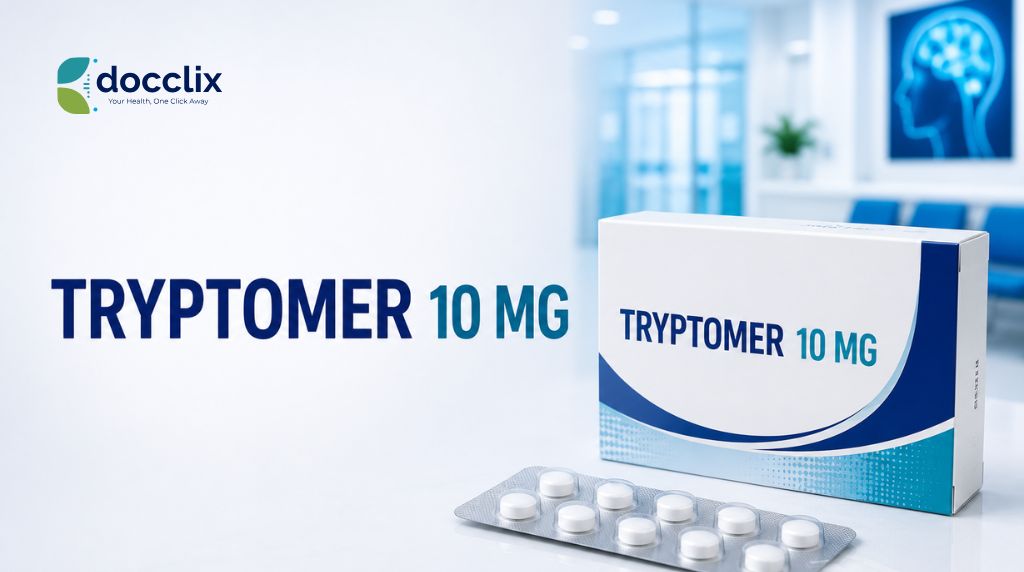
Mental health disorders and chronic pain conditions can significantly affect a person's quality of life. Persistent depression, nerve pain, migraine, or sleep disturbances may interfere with work, relationships, and daily activities if left untreated. Along with lifestyle modifications and counseling, doctors often prescribe medications that help improve mood, relieve pain, and promote better sleep.
One such commonly prescribed medicine is Tryptomer 10 mg Tablet. It is widely used to treat depression and is also prescribed for conditions such as neuropathic (nerve) pain, migraine prevention, fibromyalgia, and certain sleep-related disorders. Although it is an older antidepressant, it continues to play an important role in managing several medical conditions because of its effectiveness.
Understanding Tryptomer 10 mg tablet uses, how it works, its dosage, benefits, possible side effects, and precautions can help patients use the medicine safely and achieve better treatment outcomes. In this comprehensive guide, we'll discuss everything you need to know before taking Tryptomer 10 mg.
What is Tryptomer 10 mg Tablet?
Tryptomer 10 mg Tablet is a prescription medication that belongs to a group of medicines known as Tricyclic Antidepressants (TCAs). It contains Amitriptyline Hydrochloride 10 mg as its active ingredient.
Although it was originally developed to treat depression, doctors now prescribe Tryptomer 10 mg for a variety of conditions because it affects several chemical messengers in the brain and nervous system.
It is commonly recommended for:
- Depression
- Neuropathic (nerve) pain
- Migraine prevention
- Fibromyalgia
- Chronic pain conditions
- Sleep disturbances associated with pain or anxiety
Since Tryptomer 10 mg acts on the brain and nervous system, it should only be taken under the supervision of a qualified healthcare professional.
Active Ingredient in Tryptomer 10 mg
The active ingredient present in Tryptomer 10 mg Tablet is:
Amitriptyline Hydrochloride 10 mg
Amitriptyline is a tricyclic antidepressant that works by increasing the levels of important neurotransmitters such as serotonin and norepinephrine in the brain.
These neurotransmitters play an essential role in regulating:
- Mood
- Emotions
- Sleep
- Pain perception
- Stress response
By restoring the balance of these brain chemicals, Amitriptyline helps improve mood while also reducing nerve-related pain and improving sleep quality.
How Does Tryptomer 10 mg Tablet Work?
Understanding how Tryptomer 10 mg works helps explain why it is prescribed for multiple medical conditions beyond depression.
The medicine acts on both the brain and nervous system, providing psychological as well as pain-relieving benefits.
-
Increases Serotonin Levels
Serotonin is a neurotransmitter responsible for mood regulation, emotional stability, and overall mental well-being.
Tryptomer 10 mg prevents serotonin from being reabsorbed too quickly, allowing higher levels to remain available in the brain. This gradually improves symptoms of depression and anxiety over several weeks.
-
Increases Norepinephrine
Norepinephrine helps regulate attention, energy levels, and the body's response to stress.
By increasing norepinephrine activity, Tryptomer may improve mood, reduce fatigue, and enhance concentration in patients experiencing depression.
-
Reduces Nerve Pain Signals
Unlike many antidepressants, Amitriptyline also affects pain pathways in the nervous system.
This makes it particularly useful for treating neuropathic pain caused by nerve damage, diabetes, shingles, or spinal disorders.
-
Promotes Better Sleep
Because Tryptomer has mild sedative properties, many patients experience improved sleep quality.
Doctors often recommend taking the medicine in the evening to reduce daytime drowsiness and support restful sleep.
Tryptomer 10 mg Tablet Uses
One of the most common questions patients ask is about Tryptomer 10 mg tablet uses. While depression remains its primary indication, doctors frequently prescribe it for several other medical conditions based on individual patient needs.
1. Treatment of Depression
The most common Tryptomer 10 mg tablet use is the treatment of depression.
Depression affects emotional well-being, thinking patterns, sleep, appetite, and daily functioning. Symptoms may include:
- Persistent sadness
- Loss of interest in activities
- Fatigue
- Feelings of hopelessness
- Poor concentration
- Changes in sleep and appetite
By increasing serotonin and norepinephrine levels, Tryptomer helps improve mood, restore emotional balance, and gradually reduce depressive symptoms. Most patients begin noticing improvement within two to four weeks, although full benefits may take longer.
2. Neuropathic (Nerve) Pain
Another important Tryptomer 10 mg tablet use is the treatment of chronic nerve pain.
Neuropathic pain occurs when nerves become damaged or irritated due to conditions such as diabetes, spinal problems, shingles, or injuries. Unlike ordinary pain, nerve pain often feels burning, tingling, shooting, or electric in nature.
Tryptomer helps reduce abnormal pain signals traveling through the nervous system, providing long-term relief for many patients.
Doctors commonly prescribe it for:
- Diabetic neuropathy
- Post-herpetic neuralgia
- Sciatica
- Peripheral neuropathy
- Chronic nerve pain syndromes
3. Migraine Prevention
People who experience frequent migraine attacks may benefit from Tryptomer 10 mg as a preventive medication.
Rather than treating an active migraine, it helps reduce the frequency, duration, and severity of future migraine episodes.
Patients who experience migraines several times each month may notice significant improvement after consistent use under medical supervision.
4. Fibromyalgia
Fibromyalgia is a chronic condition characterized by widespread muscle pain, fatigue, sleep disturbances, and tenderness throughout the body.
Tryptomer 10 mg is sometimes prescribed to help:
- Reduce chronic pain
- Improve sleep quality
- Reduce fatigue
- Improve overall quality of life
Better sleep often contributes to noticeable improvement in fibromyalgia symptoms over time.
5. Anxiety Disorders (When Prescribed)
Although newer antidepressants are more commonly used, Tryptomer may occasionally be prescribed for certain anxiety disorders, especially when anxiety occurs alongside depression or sleep problems.
By improving neurotransmitter balance, it may help reduce:
- Persistent worrying
- Restlessness
- Emotional tension
- Irritability
- Difficulty relaxing
Treatment decisions should always be individualized and guided by a psychiatrist.
6. Sleep Problems Associated with Chronic Pain
Many individuals with chronic pain struggle to get adequate sleep because discomfort worsens at night.
Since Tryptomer has mild sedative properties, doctors may prescribe low doses to improve sleep quality while also addressing the underlying pain condition.
Improved sleep can contribute to better physical recovery, improved mood, and enhanced daily functioning.
Benefits of Tryptomer 10 mg Tablet
When taken as prescribed, Tryptomer 10 mg provides several therapeutic benefits for patients dealing with depression, chronic pain, and related conditions.
-
Improves Mood
The medicine helps restore neurotransmitter balance, reducing symptoms of depression and improving emotional well-being.
-
Relieves Nerve Pain
One of its unique advantages is its ability to reduce chronic neuropathic pain, making it useful beyond depression treatment.
-
Prevents Frequent Migraine Attacks
Regular use may decrease the number of migraine episodes and reduce their intensity in susceptible individuals.
-
Promotes Better Sleep
Many patients experience improved sleep quality because of the medicine's calming and sedative effects, especially when taken at bedtime.
-
Improves Daily Functioning
By reducing pain, improving sleep, and stabilizing mood, Tryptomer can help patients return to normal work, family, and social activities.
-
May Improve Overall Quality of Life
Consistent treatment, combined with healthy lifestyle habits and regular medical follow-up, often leads to better physical, emotional, and psychological well-being.
Tryptomer 10 mg Tablet Dosage
The dosage of Tryptomer 10 mg Tablet depends on several factors, including your age, medical condition, severity of symptoms, overall health, and response to treatment. Since it is a prescription medicine that acts on the brain and nervous system, the dosage should always be determined by a qualified healthcare professional.
Never increase, decrease, or stop taking Tryptomer 10 mg on your own. Sudden discontinuation may cause withdrawal symptoms and increase the risk of your condition returning.
Recommended Dosage
Doctors usually begin treatment with a low dose, especially in older adults or patients taking the medicine for nerve pain or migraine prevention.
Depending on your response, the dosage may be gradually adjusted over time. Some patients require only a low maintenance dose, while others may need higher doses under specialist supervision.
Always follow the dosage exactly as prescribed.
Best Time to Take Tryptomer 10 mg
Tryptomer 10 mg is commonly taken once daily, preferably in the evening or before bedtime.
Since the medicine may cause drowsiness, taking it at night can help improve sleep while minimizing daytime sleepiness.
It can be taken:
- With food or without food
- At the same time every day
- With a glass of water
Maintaining a consistent schedule helps ensure better treatment outcomes.
How Long Should You Take Tryptomer 10 mg?
The duration of treatment depends on the condition being treated.
For depression, patients are often advised to continue treatment for several months, even after symptoms improve, to reduce the risk of relapse.
For chronic nerve pain or migraine prevention, treatment duration varies depending on symptom control and your doctor's recommendations.
Do not stop taking the medicine simply because you feel better.
What If You Miss a Dose?
If you forget to take a dose, take it as soon as you remember.
However, if it is almost time for your next scheduled dose, skip the missed tablet and continue with your normal routine.
Never take two doses together to compensate for a missed dose, as this may increase the risk of side effects.
What Happens in Case of an Overdose?
An overdose of Tryptomer 10 mg can be serious and requires immediate medical attention.
Because Amitriptyline affects the brain, heart, and nervous system, taking too much of the medicine may lead to life-threatening complications.
If an overdose is suspected, seek emergency medical care immediately.
Signs of Overdose
Symptoms may include:
- Extreme drowsiness
- Confusion
- Blurred vision
- Rapid heartbeat
- Irregular heartbeat
- Difficulty breathing
- Seizures
- Loss of consciousness
- Severe dizziness
- Low blood pressure
Prompt treatment is essential to prevent serious complications.
Possible Side Effects of Tryptomer 10 mg Tablet
Like all medicines, Tryptomer 10 mg may cause side effects. Many people experience only mild symptoms that improve as the body adapts to the medication.
However, persistent or severe side effects should always be reported to your doctor.
Common Side Effects
The most frequently reported side effects include:
- Drowsiness
- Dry mouth
- Constipation
- Dizziness
- Blurred vision
- Increased sleepiness
- Weight gain
- Mild headache
- Tiredness
- Difficulty concentrating
These effects often become less noticeable after the first few weeks of treatment.
Less Common Side Effects
Some patients may also experience:
- Increased appetite
- Sweating
- Tremors
- Mild confusion
- Changes in taste
- Difficulty passing urine
- Reduced blood pressure when standing
- Sexual dysfunction
If these symptoms persist or interfere with daily life, consult your healthcare provider.
Serious Side Effects
Although uncommon, seek immediate medical attention if you notice:
- Chest pain
- Irregular heartbeat
- Severe allergic reactions
- Difficulty breathing
- Fainting
- Seizures
- Hallucinations
- Suicidal thoughts or unusual mood changes
- Severe confusion
Early medical intervention can prevent complications.
Who Should Avoid Tryptomer 10 mg Tablet?
Tryptomer 10 mg may not be suitable for everyone. Inform your doctor about your complete medical history before beginning treatment.
-
People Allergic to Amitriptyline
Anyone with a known allergy to Amitriptyline or other tricyclic antidepressants should avoid this medicine unless advised otherwise by a specialist.
-
Patients Recovering from a Heart Attack
Tryptomer is generally not recommended immediately after a recent heart attack because it may affect heart rhythm in some individuals.
Your cardiologist will determine whether it is appropriate for you.
-
People with Certain Heart Rhythm Disorders
Patients with pre-existing arrhythmias or conduction abnormalities should use Tryptomer only under careful medical supervision. Regular monitoring may be necessary.
-
Individuals with Severe Liver Disease
Since the medicine is metabolized in the liver, patients with significant liver impairment may require dose adjustments or alternative medications.
-
People with Glaucoma
Tryptomer may increase eye pressure in susceptible individuals and should be used cautiously in patients with narrow-angle glaucoma.
-
Pregnancy and Breastfeeding
The safety of Tryptomer during pregnancy and breastfeeding should be carefully evaluated by your doctor. Only use the medicine if the expected benefits outweigh the potential risks.
Precautions Before Taking Tryptomer 10 mg
Following certain precautions can improve treatment safety and reduce the likelihood of unwanted side effects.
1. Avoid Alcohol
Alcohol may increase drowsiness and reduce alertness while taking Tryptomer.
Combining alcohol with the medicine can also increase the risk of accidents and excessive sedation.
2. Do Not Drive Until You Know Its Effects
Since Tryptomer commonly causes sleepiness, dizziness, or slowed reaction time, avoid driving or operating heavy machinery until you know how your body responds.
3. Inform Your Doctor About All Medicines
Many medicines can interact with Amitriptyline. Always inform your healthcare provider if you take:
- Sleeping tablets
- Anxiety medications
- Antidepressants
- Pain medications
- Anti-allergy medicines
- Herbal supplements
- Vitamins
This helps reduce the risk of harmful drug interactions.
4. Attend Regular Follow-Up Visits
Regular appointments allow your doctor to monitor your progress, adjust your dosage if necessary, and identify any side effects early.
Never miss scheduled follow-up visits.
5. Do Not Stop Treatment Abruptly
Stopping Tryptomer suddenly may lead to withdrawal symptoms such as:
- Irritability
- Headache
- Anxiety
- Sleep disturbances
- Nausea
- Restlessness
Your doctor will usually reduce the dosage gradually when discontinuing treatment.
Drug Interactions
Certain medicines can affect how Tryptomer works or increase the risk of side effects. Always provide your doctor with a complete list of your current medications.
-
Other Antidepressants
Combining multiple antidepressants may increase the risk of serotonin syndrome or excessive side effects.
-
Sleeping Tablets and Sedatives
Using sedatives together with Tryptomer may increase drowsiness and reduce alertness.
-
Opioid Pain Medicines
Opioid medications may further increase sedation and breathing difficulties when combined with Amitriptyline.
-
Antihistamines
Certain allergy medicines may worsen drowsiness and dry mouth when taken with Tryptomer.
-
Blood Pressure Medicines
Tryptomer may influence the effects of some blood pressure medications, requiring careful monitoring.
Lifestyle Tips While Taking Tryptomer 10 mg
Medication works best when combined with healthy daily habits. Lifestyle modifications can improve treatment outcomes and enhance overall mental and physical well-being.
-
Maintain a Consistent Sleep Routine
Going to bed and waking up at the same time each day helps improve sleep quality and supports recovery from depression, anxiety, and chronic pain.
-
Eat a Balanced Diet
Include fresh fruits, vegetables, lean proteins, whole grains, nuts, and healthy fats in your meals.
Good nutrition supports brain health and overall wellness.
-
Stay Physically Active
Regular exercise such as walking, yoga, cycling, or swimming can improve mood, reduce stress, and help manage chronic pain.
Always choose activities appropriate for your health condition.
-
Practice Stress Management
Meditation, mindfulness, breathing exercises, and relaxation techniques can complement medication and improve emotional resilience.
Even a few minutes of daily relaxation can make a positive difference.
-
Continue Counseling if Recommended
Many patients achieve better long-term results by combining medication with psychotherapy or cognitive behavioral therapy (CBT).
Counseling can help address underlying emotional challenges and develop healthy coping strategies.
Here's Part 3 (Final Part) in the same SEO format.
How to Store Tryptomer 10 mg Tablet?
Proper storage of Tryptomer 10 mg Tablet helps preserve its effectiveness and ensures it remains safe for use. Always keep the medicine in its original packaging and follow the storage instructions provided on the label.
Storage Guidelines
- Store the medicine at room temperature (generally below 30°C).
- Keep it away from direct sunlight, excessive heat, and moisture.
- Do not store the tablets in the bathroom or near kitchen sinks.
- Keep the medicine in its original blister strip until it is time to take a dose.
- Store it out of reach of children and pets.
- Never use expired tablets.
- Dispose of unused or expired medicine according to your pharmacist's instructions.
Proper storage helps maintain the quality and effectiveness of the medication throughout its shelf life.
How DocClix Helps You Find the Right Mental Health Specialist?
Living with depression, anxiety, chronic pain, migraines, or other ongoing health conditions can be challenging, but getting timely medical care can make a meaningful difference. DocClix helps you connect with verified psychiatrists, neurologists, pain management specialists, and general physicians based on your location and healthcare needs. You can review doctor profiles, qualifications, experience, and patient feedback before booking an appointment.
With DocClix, scheduling healthcare is simple and convenient. You can book in-person appointments or choose secure video or chat consultations for follow-up care or when visiting a clinic isn't practical. The platform also lets you safely store prescriptions, medical records, lab reports, and consultation history in one place, making it easier to manage your health and ensure continuity of care. From diagnosis and treatment planning to ongoing follow-ups, DocClix supports you throughout your healthcare journey with personalized medical guidance.
🧠 Take the First Step Toward Better Mental Health and Pain Relief
Depression, nerve pain, migraines, and chronic sleep problems can affect your daily life, but the right treatment and medical guidance can help you regain control. Connect with experienced healthcare professionals through DocClix for personalized evaluation, treatment, and ongoing care.
Conclusion
Understanding Tryptomer 10 mg tablet uses is important before starting treatment for depression, neuropathic pain, migraine prevention, fibromyalgia, or sleep disturbances. Its active ingredient, Amitriptyline, works by balancing important brain chemicals while also helping reduce chronic nerve pain and improving sleep quality.
Like all prescription medicines, Tryptomer 10 mg should only be taken under the supervision of a qualified healthcare professional. Following the prescribed dosage, attending regular follow-up appointments, avoiding alcohol, and never stopping the medicine suddenly can help maximize its benefits while minimizing potential risks.
If you're experiencing symptoms of depression, chronic pain, frequent migraines, or persistent sleep problems, seeking timely medical advice is essential. With DocClix, you can easily find experienced psychiatrists, neurologists, pain specialists, and general physicians, book appointments online, consult doctors through video or chat, receive digital prescriptions, and securely manage your health records—all in one trusted healthcare platform.
FAQs
Q1. What is Tryptomer 10 mg Tablet used for?
Tryptomer 10 mg Tablet is commonly prescribed to treat depression, neuropathic (nerve) pain, migraine prevention, fibromyalgia, and certain sleep disorders associated with chronic pain or anxiety. Doctors may also prescribe it for other conditions depending on individual patient needs.
Q2. Can Tryptomer 10 mg help with nerve pain?
Yes. One of the most common Tryptomer 10 mg tablet uses is the treatment of neuropathic pain caused by conditions such as diabetic neuropathy, post-herpetic neuralgia, sciatica, and other chronic nerve-related disorders. It helps reduce abnormal pain signals in the nervous system.
Q3. Does Tryptomer 10 mg make you sleepy?
Yes. Sleepiness or drowsiness is a common side effect of Tryptomer 10 mg because of its mild sedative effect. Doctors usually recommend taking the tablet at bedtime to improve sleep quality and reduce daytime drowsiness.
Q4. How long does Tryptomer 10 mg take to start working?
For depression, patients may begin noticing improvement within 2–4 weeks, while full therapeutic benefits often take 4–6 weeks. When prescribed for nerve pain or migraine prevention, the response time may vary depending on the individual and the condition being treated.
Q5. Which doctor should I consult before taking Tryptomer 10 mg?
You should consult a psychiatrist, neurologist, pain management specialist, or general physician before starting Tryptomer 10 mg. Through DocClix, you can easily find experienced specialists, compare doctor profiles, book appointments online, and receive personalized treatment for depression, nerve pain, migraine, and related conditions.
For Doctors & Clinics
Get your AI Visibility Page for ₹1,999
One-time setup. Google, ChatGPT & Gemini ready. No monthly commitment to start.
Get Onboarded — ₹1,999 arrow_forward