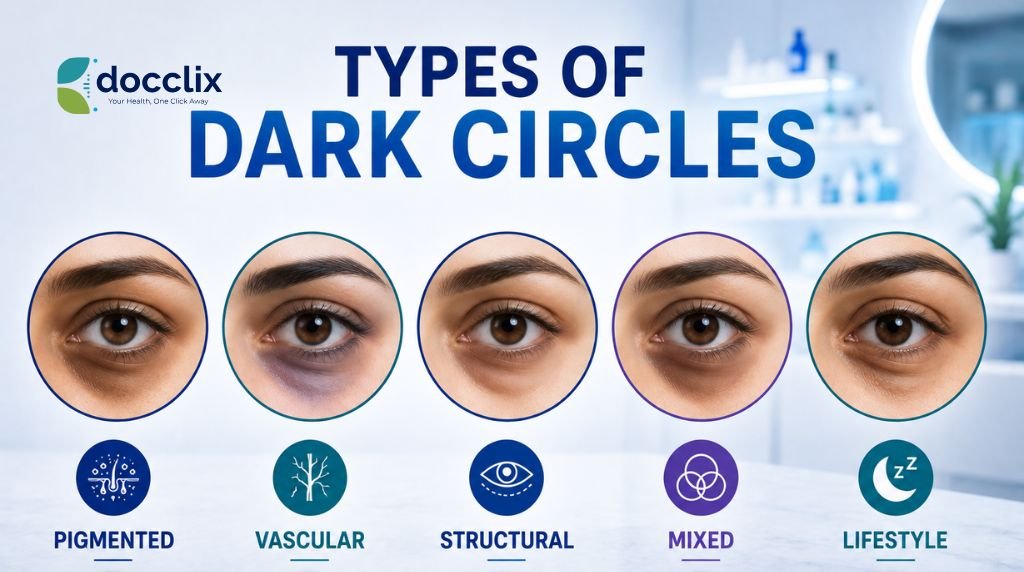
Dark circles under the eyes are one of the most common cosmetic skin concerns and can affect people of almost any age. They may make the face look tired, dull, or older even when you are getting enough sleep. However, not all dark circles are the same. Their colour, appearance, underlying cause, and response to treatment can vary significantly from person to person.
Understanding the types of dark circles is important because the right treatment depends largely on what is causing the discoloration. Some dark circles are mainly caused by excess pigmentation, while others result from visible blood vessels, thinning skin, hollowness beneath the eyes, allergies, aging, or a combination of several factors.
In this guide, we explain the different types of dark circles, their common causes, how to identify them, available treatment options, home-care measures, and when it is worth consulting a dermatologist.
What Are Dark Circles Under the Eyes?
Dark circles refer to a darker or different-coloured appearance of the skin beneath or around the eyes. They may appear brown, black, blue, purple, red, or grey depending on a person's skin tone and the underlying cause.
The skin around the eyes is naturally thinner and more delicate than skin on many other parts of the face. This makes changes in pigmentation, blood vessels, fat distribution, and skin thickness more visible in this area. Genetics can also play an important role, which means some people may develop dark circles even when they maintain a healthy lifestyle.
Dark circles are usually not a medical emergency. However, sudden changes, significant swelling, irritation, or darkening associated with other symptoms may require professional evaluation.
What Are the Different Types of Dark Circles?
Dark circles can be broadly classified according to their colour and underlying mechanism. Some people have one dominant type, while others have a combination of pigmentation, visible blood vessels, and under-eye hollowness.
Identifying the appearance of the under-eye area can provide useful clues about what may be contributing to the problem. However, a dermatologist can provide a more accurate assessment and distinguish cosmetic pigmentation from an underlying skin condition.
1. Brown or Pigmented Dark Circles
Brown dark circles are primarily associated with increased pigmentation in the skin around the eyes. They may be more noticeable in people with medium to deeper skin tones and can become more prominent following prolonged sun exposure or repeated irritation.
Genetics, hormonal changes, allergies, and frequent rubbing of the eyes can also contribute to increased pigmentation. Because this type is related mainly to melanin, treatments designed to reduce pigmentation may be considered after a dermatological assessment.
Daily sun protection is particularly important because ultraviolet exposure can make pigmentation more noticeable and interfere with improvement.
2. Blue or Purple Dark Circles
Blue or purple under-eye circles are often related to visible blood vessels beneath the thin skin around the eyes. When the skin becomes thinner or the blood vessels become more noticeable, the area can develop a bluish, violet, or purplish appearance.
Lack of sleep, fatigue, aging, genetics, and dehydration may make this appearance more noticeable. The colour can also become more prominent when the skin is particularly thin or when blood vessels are closer to the surface.
Treatment depends on the underlying cause and may include improving sleep, protecting the skin, using suitable skincare, or considering dermatologist-recommended procedures.
3. Red or Pink Dark Circles
Red or pink discoloration around the eyes may occur due to irritation, inflammation, allergies, sensitive skin, or frequent rubbing. Some individuals may also develop redness because the blood vessels beneath the thin skin are more visible.
People with eczema, allergic skin conditions, or sensitive skin may be particularly prone to this appearance. Rubbing the eyes repeatedly can worsen irritation and may eventually contribute to pigmentation as well.
Identifying and managing the trigger is often an important part of treatment. A dermatologist can determine whether the redness is related to an underlying skin condition.
4. Structural or Shadow-Based Dark Circles
Structural dark circles are not always caused by actual skin pigmentation. Instead, they may result from hollows, under-eye bags, changes in facial fat, or the natural shape of the eye socket.
When light falls on these contours, shadows can make the area underneath the eyes appear darker. This is sometimes described as tear-trough shadowing.
Topical skincare products may have limited effects when the main cause is facial structure. Depending on the individual's anatomy and goals, a qualified dermatologist or aesthetic specialist may discuss options such as fillers or other procedures.
5. Mixed-Type Dark Circles
Many people do not have just one type of dark circle. Instead, pigmentation, visible blood vessels, skin thinning, and under-eye hollowness may occur together.
For example, a person may have brown pigmentation combined with a bluish appearance caused by visible blood vessels. Aging can further contribute by thinning the skin and changing the distribution of facial fat.
Mixed dark circles usually require a personalized approach because treating only one contributing factor may not produce the desired improvement.
You may also like:Moxifloxacin Eye Drops: A Complete Guide with Precautions
How to Identify Your Type of Dark Circles?
Identifying the appearance of your under-eye area can help you understand what may be contributing to the problem. However, home observation cannot provide a definitive diagnosis, particularly when multiple causes are involved.
Pay attention to colour, texture, shadows, and how the area changes under different lighting conditions. These observations can be useful when discussing your concern with a dermatologist.
Check the Colour
Look closely at the skin under your eyes in natural daylight. Brown or dark-brown discoloration may suggest pigmentation, while blue or purple tones can indicate visible blood vessels beneath thin skin.
A reddish appearance may be associated with irritation or inflammation. If the colour appears different depending on the lighting or angle of your face, structural shadows may also be contributing.
Look at the Skin Texture
If the skin appears smooth but darker, pigmentation may be an important factor. Fine lines, wrinkles, or very thin skin can make underlying blood vessels more visible.
Puffiness, hollowness, or noticeable changes in the contour beneath the eyes may indicate a structural component. Different causes can occur simultaneously, so texture should be considered along with colour.
Observe the Effect of Lighting
Stand in front of a mirror in natural light and observe whether the darkness changes when the direction of light changes. If the appearance becomes significantly lighter or darker depending on the lighting angle, shadows from under-eye hollows may be contributing.
Pigmentation tends to remain relatively consistent regardless of lighting, although its visibility can still vary.
Gently Stretch the Under-Eye Skin
Gently stretching the skin beneath the eye may provide additional clues, although it should never be done aggressively. If the dark appearance changes significantly when the skin is stretched, visible blood vessels or structural shadows may be involved.
If the darkness remains relatively unchanged, pigmentation may be contributing more strongly. A dermatologist can assess these characteristics more accurately during an examination.
What Causes Different Types of Dark Circles?
There is rarely one single cause behind dark circles. Genetics, lifestyle, skin pigmentation, aging, allergies, environmental exposure, and facial anatomy can all contribute.
Understanding potential triggers can help you make appropriate lifestyle changes and determine whether professional treatment may be beneficial.
Genetics and Family History
Genetics can strongly influence the appearance of the under-eye area. Some people naturally have thinner skin, more pigmentation, prominent blood vessels, or deeper tear troughs.
If dark circles are common among family members, they may appear early in life and remain relatively persistent despite healthy habits. In these cases, skincare may improve the appearance but may not completely eliminate the underlying tendency.
Lack of Sleep and Fatigue
Insufficient sleep can make dark circles more noticeable. Fatigue may cause the skin to appear paler, which can make the blood vessels underneath the eyes more visible.
Poor sleep can also contribute to fluid accumulation and puffiness around the eyes, making shadows more prominent. Maintaining a consistent sleep schedule can help improve the overall appearance of tired-looking eyes.
Sun Exposure
Ultraviolet radiation can stimulate melanin production and worsen pigmentation around the eyes. People who spend significant time outdoors without adequate sun protection may notice that brown discoloration becomes progressively more visible.
Using broad-spectrum sunscreen and wearing sunglasses can help protect the delicate skin around the eyes from further UV-related pigmentation.
Skin Aging
As we age, the skin gradually loses collagen and elasticity. The skin around the eyes can become thinner, making underlying blood vessels more visible.
Changes in facial fat distribution can also create hollows and shadows. Fine lines, wrinkles, and reduced skin firmness may therefore contribute to the appearance of aging-related dark circles.
Allergies and Eye Rubbing
Allergies can cause itching, watering, redness, and irritation around the eyes. Repeated rubbing can damage the delicate skin and contribute to inflammation and pigmentation.
Managing the underlying allergy and avoiding unnecessary rubbing can help prevent the problem from becoming worse.
Dehydration
Dehydration may make the skin appear dull and less plump. When the delicate under-eye skin loses moisture, fine lines and shadows may become more noticeable.
Maintaining adequate fluid intake and using suitable moisturizing skincare can help support the skin's appearance, although hydration alone may not eliminate persistent dark circles.
Lifestyle Factors
Smoking, excessive alcohol consumption, chronic stress, poor nutrition, and irregular sleep may contribute to a tired-looking complexion. These factors can also affect overall skin health.
Adopting healthier lifestyle habits can improve the appearance of the skin and support any dermatological treatments being used.
Hormonal Changes
Hormonal fluctuations may influence pigmentation and skin sensitivity. Some people may notice increased pigmentation during pregnancy or other periods of hormonal change.
If pigmentation develops suddenly or becomes extensive, professional assessment can help determine whether hormonal factors or another underlying cause is involved.
You may also like: Ceflox Eye Drops Uses: A Complete Guide With Benefits & Side Effects
Types of Dark Circles vs Under-Eye Bags
Dark circles and under-eye bags are different concerns, although they can occur together. Dark circles primarily refer to changes in colour or the appearance of darkness beneath the eyes.
Under-eye bags usually refer to puffiness or bulging caused by fluid accumulation, aging, changes in facial fat, or genetics. When under-eye bags create shadows, they can make dark circles appear more prominent.
Understanding the distinction is important because treatments for pigmentation may not correct structural puffiness, and treatments for under-eye volume may not address skin pigmentation.
How to Treat Different Types of Dark Circles
There is no single treatment that works for every type of dark circle. The appropriate approach depends on whether pigmentation, visible blood vessels, structural changes, aging, or multiple factors are responsible.
A dermatologist can evaluate the under-eye area and recommend treatment based on your skin type, age, medical history, and the cause of the discoloration.
Treatment for Pigmented Dark Circles
Pigmented dark circles may be managed using topical ingredients that help improve uneven pigmentation. Depending on the cause, dermatologists may recommend ingredients such as vitamin C, niacinamide, retinoids, or other pigmentation-focused treatments.
Professional options such as chemical peels or certain laser treatments may also be considered. These treatments should only be performed by qualified professionals because the skin around the eyes is delicate and more susceptible to irritation.
Treatment for Vascular Dark Circles
When blue or purple discoloration is primarily related to visible blood vessels, treatment focuses on reducing their appearance and improving the quality of the surrounding skin.
Depending on the individual, dermatologists may consider specific laser or light-based procedures. Appropriate skincare, adequate sleep, sun protection, and management of contributing conditions can also support improvement.
Treatment for Structural Dark Circles
Structural dark circles caused by under-eye hollowness or facial contours may not respond significantly to creams. In selected patients, a qualified aesthetic specialist may consider procedures designed to restore volume or improve the transition between the lower eyelid and cheek.
Dermal fillers are one possible option, but the under-eye area requires considerable anatomical expertise. Any injectable treatment should be performed only by a suitably qualified medical professional.
Treatment for Dark Circles Caused by Aging
Aging-related dark circles may involve several changes at once, including pigmentation, skin thinning, wrinkles, and volume loss. Because multiple mechanisms may be involved, treatment is often personalized.
Depending on the patient's needs, a dermatologist may recommend topical skincare, laser treatments, microneedling, fillers, or combinations of procedures.
Treatment for Mixed Dark Circles
Mixed dark circles require a combination approach because treating only pigmentation or only hollowness may leave other contributing factors unchanged.
A dermatologist may develop a staged treatment plan that addresses pigmentation, skin quality, visible vessels, and structural concerns separately. This approach can provide more natural and balanced results.
Home Care Tips for Dark Circles
Simple daily habits can help prevent dark circles from becoming more noticeable and support healthier skin around the eyes. However, home care may have limited effects when genetics, significant pigmentation, or facial structure is the main cause.
Consistency is more important than using a large number of products.
Get Adequate Sleep
Aim for a consistent sleep schedule and sufficient rest each night. Poor sleep can make the under-eye area look darker and more tired.
Improving sleep may not completely remove genetic or structural dark circles, but it can reduce the tired appearance associated with fatigue.
Use Sunscreen Around the Eyes
UV exposure can worsen pigmentation and accelerate skin aging. Use a broad-spectrum sunscreen suitable for the face and apply it carefully around the eye area while avoiding direct contact with the eyes.
Wearing sunglasses and a hat when outdoors can provide additional protection.
Avoid Rubbing Your Eyes
Repeated rubbing can irritate the delicate skin and may worsen inflammation and pigmentation. If your eyes frequently itch or water, consider whether allergies or another underlying condition may be responsible.
Treating the cause of the irritation can help reduce the urge to rub the area.
Stay Hydrated
Adequate hydration supports overall skin health and can help reduce the dull, tired appearance associated with dehydration. Drink enough fluids throughout the day according to your individual needs.
A balanced diet containing fruits and vegetables can also provide nutrients that support healthy skin.
Use Suitable Skincare Products
Choose gentle products formulated for the delicate eye area and avoid aggressive exfoliation or untested home remedies. Ingredients such as niacinamide, vitamin C, and properly formulated retinoids may be useful for certain individuals.
Because the eye area is sensitive, introduce new products gradually and stop using them if significant irritation occurs.
Medical Treatments for Dark Circles
When dark circles are persistent or significantly affect your appearance, professional treatments may provide better results than home skincare alone. The treatment chosen should match the underlying cause rather than simply treating the visible darkness.
A dermatologist can determine which procedure is appropriate and explain the expected benefits, limitations, and potential risks.
Topical Skin-Lightening Treatments
Certain prescription or over-the-counter topical products can help reduce pigmentation and improve uneven skin tone. Dermatologists may recommend specific active ingredients depending on the patient's skin type and pigmentation pattern.
These products must be used carefully around the eyes because excessive irritation can worsen pigmentation.
Chemical Peels
Certain mild chemical peels may be used to improve superficial pigmentation and skin texture. The type and strength of the peel must be selected carefully because the skin around the eyes is particularly delicate.
Professional assessment is essential before undergoing any peel in this area.
Laser Treatments
Specific laser or light-based treatments may be used for pigmentation, visible blood vessels, or skin rejuvenation depending on the cause of the dark circles.
The choice of laser depends on skin tone, pigmentation type, and the underlying problem. Treatment should always be performed by a qualified professional with experience treating the under-eye area.
Dermal Fillers
Dermal fillers may be considered when under-eye hollowness creates prominent shadows. By restoring volume in carefully selected patients, fillers can reduce the appearance of the tear trough and create a smoother transition between the lower eyelid and cheek.
Because the area contains important blood vessels and delicate structures, fillers should only be administered by an experienced, appropriately qualified medical professional.
Microneedling
Microneedling creates controlled microscopic injuries in the skin to stimulate collagen production. It may improve skin texture and firmness and can sometimes be included in a broader treatment plan for under-eye concerns.
Not everyone is a suitable candidate, and the treatment should be performed by a trained professional using an approach appropriate for the delicate eye area.
Can Dark Circles Be Permanently Removed?
Whether dark circles can be completely removed depends on their underlying cause. Dark circles related to temporary fatigue, dehydration, or irritation may improve significantly once the trigger is addressed.
Genetic pigmentation, facial structure, aging-related changes, or naturally thin skin may be more persistent. Treatments can often reduce their appearance, but complete permanent removal may not always be realistic.
A dermatologist can help set appropriate expectations and recommend treatments that target the specific cause.
When Should You See a Dermatologist for Dark Circles?
Most dark circles are harmless and do not require urgent medical attention. However, professional advice can be useful when the discoloration persists despite lifestyle improvements or when you are unsure about its underlying cause.
A dermatologist can determine whether the concern is primarily pigmentation, vascular visibility, structural shadowing, aging, or a combination of factors.
Persistent Dark Circles
If dark circles remain unchanged for several months despite adequate sleep, hydration, sun protection, and appropriate skincare, professional assessment may be worthwhile.
A dermatologist can identify factors that may not be obvious from appearance alone.
Sudden Changes
Sudden darkening, swelling, redness, or changes affecting only one side of the face should be assessed by a healthcare professional, particularly if other symptoms are present.
Associated Skin Problems
If dark circles occur with significant itching, scaling, redness, swelling, or eczema-like symptoms, an underlying skin condition may be involved.
Treating the underlying condition may improve the appearance of the under-eye area.
How DocClix Helps You Find the Right Dermatologist
Choosing the right dermatologist is important when you want to understand the cause of persistent dark circles and explore suitable treatment options. Different types of discoloration may require different approaches, so professional assessment can help avoid using unnecessary or unsuitable products.
With DocClix, you can find qualified dermatologists based on location, specialty, experience, and available consultation options. You can review doctor profiles and choose a specialist who matches your skincare concerns.
DocClix also makes it easier to book appointments and, where available, consult doctors through video or chat. This can be particularly convenient for an initial discussion about pigmentation, skincare routines, or whether an in-person examination may be necessary.
You can also manage prescriptions, consultation details, and health records through the platform, making it easier to keep track of your healthcare journey.
👁️ Get Expert Help for Persistent Dark Circles
Dark circles can have different causes, and using the wrong treatment may not give you the results you expect. A qualified dermatologist can identify the underlying type of dark circles and recommend suitable skincare or professional treatment.
Conclusion
Understanding the types of dark circles is the first step toward choosing an appropriate treatment. Brown pigmentation, blue or purple vascular discoloration, redness, structural shadows, and mixed dark circles can all have different causes and may respond differently to treatment.
Simple habits such as adequate sleep, sun protection, hydration, avoiding eye rubbing, and using gentle skincare can support healthier under-eye skin. However, persistent dark circles caused by pigmentation, aging, visible blood vessels, or facial structure may require professional treatment.
If you are unsure what is causing your dark circles, consulting a qualified dermatologist can help you understand your skin and choose an appropriate treatment plan. Through DocClix, you can find experienced dermatologists, book appointments, and access convenient consultation options for personalized skin care.
FAQs
Q1. How do I know which type of dark circles I have?
The colour, texture, skin thickness, and presence of under-eye hollowness can provide clues about the type of dark circles. Brown discoloration may suggest pigmentation, while blue or purple tones can be associated with visible blood vessels. A dermatologist can provide a more accurate assessment.
Q2. Which type of dark circles is hardest to treat?
Dark circles caused by genetics, facial structure, significant pigmentation, or multiple combined factors can be more challenging to improve completely. Treatment can still reduce their appearance, but the results depend on the underlying cause and individual skin characteristics.
Q3. Can dark circles disappear naturally?
Some dark circles may improve naturally when caused by temporary factors such as lack of sleep, dehydration, or irritation. However, genetically influenced pigmentation, structural shadows, and age-related changes are less likely to disappear without targeted care.
Q4. Are dark circles caused by vitamin deficiency?
Certain nutritional deficiencies may contribute to a tired or pale appearance, but most dark circles are not caused solely by vitamin deficiency. Genetics, pigmentation, skin thickness, aging, allergies, and facial structure are common contributing factors. Persistent concerns should be evaluated rather than treated with supplements without medical advice.
Q5. Can a dermatologist determine the exact cause of dark circles?
Yes. A dermatologist can examine the colour, texture, skin thickness, pigmentation, blood vessel visibility, and under-eye structure to determine the likely contributing factors. Based on the assessment, they can recommend appropriate skincare or professional treatments.
For Doctors & Clinics
Get your AI Visibility Page for ₹1,999
One-time setup. Google, ChatGPT & Gemini ready. No monthly commitment to start.
Get Onboarded — ₹1,999 arrow_forward
Medical Sources & Evidence-Based Guidelines
DocClix content is curated from reputable clinical guidelines, peer-reviewed medical publications, and statutory healthcare bodies including the World Health Organization (WHO), National Medical Commission (NMC), and Indian Council of Medical Research (ICMR).
- National Health Mission (NHM) Clinical Protocols and Standard Treatment Guidelines.
- Indian Council of Medical Research (ICMR) Evidence-Based Disease Management.
- PubMed / National Library of Medicine (NLM) Peer-Reviewed Studies.