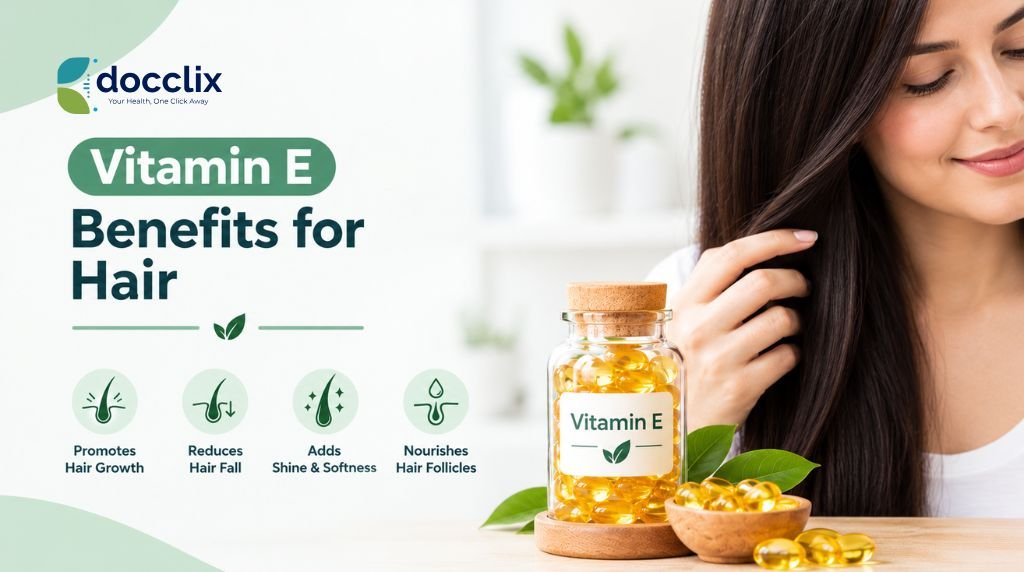
Healthy hair depends on several factors, including nutrition, scalp health, genetics, hormonal balance, and daily hair-care habits. Vitamin E is often discussed as a helpful nutrient for maintaining healthy hair because of its antioxidant properties. It is commonly found in nuts, seeds, vegetable oils, and certain hair-care products.
Many people use vitamin E oil or capsules in the hope of reducing hair fall, improving shine, and encouraging hair growth. However, while vitamin E plays an important role in protecting cells from oxidative stress, scientific evidence supporting its direct use as a hair-growth treatment remains limited.
Understanding the potential vitamin E benefits for hair, its limitations, and its safety precautions can help you decide whether it belongs in your hair-care routine. This guide explains how vitamin E may support hair health, how to use it carefully, and when to consult a dermatologist for persistent hair problems.
Understanding Vitamin E
Vitamin E is a fat-soluble nutrient that includes several compounds called tocopherols and tocotrienols. Alpha-tocopherol is the form primarily used by the human body to meet its vitamin E requirements.
One of vitamin E's key functions is acting as an antioxidant. Antioxidants help protect cells from damage caused by free radicals, which are unstable molecules produced during normal body processes and exposure to environmental factors.
Vitamin E also supports normal immune function and helps maintain healthy cell membranes. It is available through food, oral supplements, and topical products such as oils, serums, and creams.
What Is Vitamin E's Role in Hair and Scalp Health?
Hair follicles are living structures in the skin, and their normal functioning depends on overall health and adequate nutrition. Vitamin E contributes to the body's antioxidant defences, which help protect cells from oxidative damage.
However, healthy hair growth requires more than one nutrient. Protein, iron, zinc, and other vitamins and minerals also play important roles. Hormones, genetics, certain medications, stress, and underlying health conditions can influence hair growth and shedding.
Vitamin E should therefore be considered part of overall nutritional health rather than a standalone solution for hair loss.
How to Use Vitamin E for Hair
Vitamin E can be obtained through food, dietary supplements, and topical hair-care products. The most suitable option depends on your needs, scalp sensitivity, and whether you have a diagnosed nutritional deficiency.
Application Methods: Oils, Serums, and Hair Masks
Vitamin E is included in some hair oils, conditioners, serums, and scalp-care products. These formulations may help condition the hair and improve its appearance, depending on their ingredients.
If you want to try a vitamin E hair product, follow these precautions:
- Choose a formulated product: A hair oil or serum designed for scalp or hair use may be easier to apply than a concentrated capsule oil.
- Start with a small amount: Applying too much oil can leave the scalp greasy and make the hair difficult to wash.
- Test for skin sensitivity: Try a small amount on a limited area of skin first and watch for irritation.
- Avoid irritated or broken skin: Do not apply products to areas that are inflamed, wounded, or affected by an unexplained rash.
- Wash gently: Use a suitable shampoo if the product leaves excessive residue.
Topical vitamin E has not been established as a reliable treatment for hair loss. Its potential benefit may be more related to conditioning the hair than stimulating new growth.
Vitamin E Capsules for Hair: What You Should Know
Some people puncture vitamin E capsules and apply the oil directly to their scalp or mix it with coconut, almond, or other hair oils. However, capsules are generally intended for oral use unless the product specifically states otherwise.
Capsule oils may be concentrated, thick, or difficult to distribute evenly. They may also contain additional ingredients that are not intended for topical use. Applying them directly can cause irritation or contact dermatitis in some individuals.
If your goal is to improve hair softness or manageability, consider a hair product formulated for topical use instead. Avoid taking vitamin E capsules solely for hair growth without discussing the need for supplementation with a healthcare professional.
Vitamin E-Rich Foods for Healthy Hair
Getting vitamin E through a balanced diet is generally preferable to taking unnecessary high-dose supplements. Foods containing vitamin E include:
- Almonds and sunflower seeds: Convenient sources of vitamin E that can be added to meals or snacks.
- Sunflower and safflower oils: Provide vitamin E when used in suitable amounts during cooking.
- Peanuts and peanut butter: Offer vitamin E along with protein and healthy fats.
- Spinach and other green vegetables: Contribute vitamin E and other important nutrients.
- Avocados: Supply vitamin E alongside fibre and unsaturated fats.
A varied diet supports overall health, but eating vitamin E-rich foods does not guarantee faster hair growth. If hair loss is related to an underlying nutritional deficiency, the appropriate treatment depends on identifying and correcting that deficiency.
Vitamin E Benefits for Hair
Vitamin E has several functions that may be relevant to hair and scalp health. However, it is important to distinguish its established role in the body from claims that have not been adequately demonstrated in clinical studies.
1. Supporting Scalp Health Through Antioxidant Activity
Vitamin E helps protect cell membranes against oxidative damage. Since the scalp contains living skin cells and hair follicles, antioxidant protection is part of normal skin and tissue health.
Nevertheless, there is not enough evidence to conclude that applying vitamin E directly to the scalp prevents common scalp conditions or improves hair growth. A healthy scalp also depends on appropriate cleansing, managing inflammation, and treating conditions such as dandruff when present.
2. Helping Protect Hair from Oxidative Stress
Oxidative stress occurs when free-radical activity exceeds the body's antioxidant defences. It has been investigated as one of several factors involved in hair and scalp biology.
Vitamin E contributes to antioxidant protection throughout the body. However, research has not established that topical vitamin E reliably prevents hair damage or hair loss caused by oxidative stress.
To protect hair from everyday damage, use a gentle hair-care routine, limit excessive heat styling, avoid harsh chemical treatments, and protect the scalp from excessive sun exposure.
3. Supporting Healthy Hair Growth
Vitamin E is sometimes promoted as a natural hair-growth supplement. One small clinical study investigated tocotrienol supplementation in people experiencing hair loss and reported an increase in hair count in the supplement group. However, this limited evidence is not enough to establish vitamin E as an effective treatment for hair loss in the general population.
Vitamin E deficiency is uncommon in healthy adults, and taking extra vitamin E when you already obtain enough may not improve hair growth.
If you are experiencing ongoing hair thinning, a dermatologist can help identify potential causes, such as iron deficiency, thyroid disorders, hormonal changes, inherited hair loss, or scalp conditions.
4. Improving Hair Shine and Manageability
Some vitamin E-containing oils and hair-care products can help coat the hair shaft, making strands feel smoother and appear shinier. Oils may also reduce friction during combing, depending on the formulation and how the product is used.
These cosmetic effects do not necessarily mean that the hair is growing faster or becoming thicker at the follicle level. For best results, choose a product suited to your hair type and avoid applying excessive oil if your scalp tends to be oily.
5. Helping Reduce Hair Breakage Caused by Dryness
Dry hair may become rough, tangled, and more prone to breakage. Conditioning oils and leave-in products can help improve softness and reduce friction, making hair easier to detangle.
Vitamin E may be included in such products, but it is not proven to prevent all forms of hair breakage. Hair damage may also result from bleaching, frequent heat styling, tight hairstyles, rough brushing, or chemical treatments.
Use conditioner after shampooing, detangle gently, and reduce practices that pull or weaken the hair. These steps are generally more useful for managing breakage than relying on vitamin E alone.
6. Supporting a Healthy Scalp Environment
A healthy scalp provides the environment in which hair follicles function. Adequate nutrition, gentle cleansing, and timely treatment of scalp problems all contribute to scalp care.
Vitamin E is important for normal bodily function, but applying it to the scalp has not been shown to treat dandruff, fungal infections, psoriasis, or other inflammatory conditions reliably. Some oils may also aggravate irritation or make certain scalp problems harder to manage.
If you have persistent itching, redness, scaling, painful bumps, or patches of hair loss, seek advice from a qualified dermatologist rather than relying on home remedies.
What Does Research Say About Vitamin E and Hair Growth?
Research into vitamin E and hair health is still limited. A small study of tocotrienol supplementation reported a positive change in hair count among participants with hair loss, but the findings do not establish that all vitamin E supplements have the same effect.
It is also important to distinguish tocotrienols, which are members of the vitamin E family, from alpha-tocopherol supplements and topical vitamin E oils. They are not interchangeable in every context, and evidence about one formulation cannot automatically be applied to another.
At present, there is insufficient high-quality evidence to recommend vitamin E capsules or scalp application as a standard treatment for hair loss. A balanced diet and treatment tailored to the cause of hair loss are more appropriate foundations for care.
-
Evidence on Vitamin E Supplements and Hair Loss
Some research has explored whether antioxidant supplements may influence hair growth, but studies are limited in size and scope. Larger, well-designed clinical trials are needed to determine which formulations might help, who could benefit, and what doses would be safe.
High-dose vitamin E supplements can cause harm and may interact with medications. Do not start supplementation just because you notice hair shedding.
-
Can Vitamin E Help With Hair Thinning?
Vitamin E has not been established as an effective standalone treatment for hair thinning. The right approach depends on the reason for the thinning.
For example, hereditary hair loss, temporary shedding after illness or stress, nutritional deficiencies, and inflammatory scalp conditions require different approaches. A dermatologist can assess your symptoms and determine whether blood tests or specific treatments are appropriate.
-
Vitamin E Deficiency and Hair Health
Vitamin E deficiency is rare in otherwise healthy people who eat a varied diet. It is more likely in certain conditions that interfere with fat absorption or in some uncommon genetic disorders.
Severe deficiency can affect nerves and muscles, but hair loss is not a specific or reliable sign of vitamin E deficiency. If you have persistent hair shedding alongside other symptoms or digestive problems, seek medical advice rather than self-diagnosing a deficiency.
Precautions and Safety Concerns
Vitamin E is an essential nutrient, but using more than you need does not necessarily provide extra benefits. Both topical products and oral supplements require sensible use.
1. Possible Side Effects of Applying Vitamin E to the Scalp
Topical vitamin E products can cause itching, redness, irritation, or an allergic skin reaction in some people. Heavy oils may also leave residue or make the scalp feel greasy.
Stop using the product if you notice discomfort, a rash, swelling, or worsening scalp symptoms. Seek medical advice if the reaction is severe or does not improve.
2. Allergic Reactions and Scalp Irritation
A reaction may be caused by vitamin E itself or another ingredient in the product, such as fragrance, preservatives, or carrier oils.
Before using a new product, follow its label instructions and test it on a small area of skin. A patch test cannot guarantee that a reaction will not occur, so stop using the product if irritation develops.
Avoid experimenting with capsule oils on an already irritated scalp.
3. Risks of Taking Vitamin E Supplements Without Medical Advice
High doses of vitamin E from supplements can increase the risk of bleeding, particularly in people taking anticoagulant or antiplatelet medicines. Supplement use may also be unsuitable for some people with medical conditions or before certain procedures.
The amount of vitamin E needed depends on age and individual circumstances. Food sources are generally a sensible way to meet nutritional needs, while supplements should be used when appropriate and at a suitable dose.
Do not take high-dose vitamin E solely to improve hair growth without consulting a healthcare professional.
4. Who Should Avoid Vitamin E Hair Treatments?
People with known sensitivity to a product's ingredients should avoid using it. Those with an inflamed, infected, or damaged scalp should get appropriate advice before applying oils or other treatments.
People taking blood-thinning medication, those with bleeding disorders, and individuals preparing for surgery should speak with their healthcare professional before taking vitamin E supplements. Do not stop prescribed medication or replace a recommended hair-loss treatment with a supplement without medical guidance.
How to Choose the Right Vitamin E Product for Hair?
Choosing a hair product should start with your actual concern, whether it is dryness, frizz, breakage, or a scalp condition. Vitamin E is only one ingredient among many, and a product's overall formulation matters.
Tips for Selecting Hair Oils, Serums, and Supplements
- Check the intended use: Choose a product specifically formulated for hair or scalp application rather than assuming an oral capsule is suitable for topical use.
- Review the ingredient list: Look for ingredients you tolerate and avoid known allergens.
- Consider your scalp type: Lightweight formulations may suit oily scalps better, while dry hair lengths may benefit from conditioning products.
- Be cautious of exaggerated claims: Avoid products promising guaranteed hair regrowth or immediate results.
- Use supplements thoughtfully: Check the dosage and seek professional advice if you are considering a supplement for hair loss.
A more expensive product is not automatically more effective. Choose products based on your needs, tolerability, and evidence rather than marketing claims.
Natural Food Sources of Vitamin E
Including vitamin E-rich foods in your regular diet is a practical way to support overall nutrition. Almonds, sunflower seeds, peanuts, vegetable oils, spinach, and avocados are useful options.
Pair these foods with a varied diet containing adequate protein, iron, zinc, and other essential nutrients. If you follow a restrictive diet or suspect a nutritional deficiency, a healthcare professional or registered dietitian can help assess your needs.
Dermatologists to Consider in Bangalore for Hair and Scalp Concerns
If you are experiencing ongoing hair fall, scalp irritation, dandruff, or unexplained hair thinning, consulting a dermatologist can help you understand the possible cause and explore suitable treatment options. A dermatologist can assess your scalp and hair, review relevant medical history, and recommend further evaluation or treatment when appropriate.
Here are six dermatologist profiles listed on DocClix that you can explore. This is a directory of options, not a ranking or endorsement. Review each profile and confirm the doctor's current services and appointment availability before booking.
1. Dr. Amrita Hongal Gejje
ExploreDr. Amrita Hongal Gejje's profile on DocClix to review the available profile information and appointment options.
2. Dr. Dhruva Kumar BR
VisitDr. Dhruva Kumar BR's DocClix profile to learn more about the listed doctor and explore appointment details.
3. Dr. Rakesh Reddy
You can reviewDr. Rakesh Reddy's profile on DocClix for the available profile information and appointment options.
4. Dr. Keerthi Velugotla
Dr. Keerthi Velugotla is listed on DocClix as a dermatologist, trichologist, and aesthetic dermatologist. You can exploreDr. Keerthi Velugotla's profile for more information and appointment options.
5. Dr. Aneesa Sajeed
VisitDr. Aneesa Sajeed's DocClix profile to review the available details and check appointment options.
6. Dr. Akhilesh A
You can exploreDr. Akhilesh A's profile on DocClix to view the listed information and available appointment options.
When choosing a doctor, consider your symptoms, the type of care you need, appointment availability, and the information provided in the profile. If your main concern is hair loss, confirm whether the doctor assesses hair and scalp conditions.
When Should You Consult a Dermatologist for Hair Loss?
Occasional hair shedding is normal, but persistent or noticeable changes may need assessment. Consider consulting a dermatologist if you experience:
- Sudden or excessive hair shedding.
- Gradual thinning or a widening part.
- Bald patches or clearly defined areas without hair.
- Scalp pain, persistent itching, redness, or scaling.
- Hair loss accompanied by fatigue or other unexplained symptoms.
- Hair loss that continues or worsens despite changes to your hair-care routine.
A dermatologist may review your medical history, examine your scalp, and recommend tests when appropriate. Treatment may involve addressing an underlying condition, correcting a confirmed nutritional deficiency, or using evidence-based therapies for a specific type of hair loss.
DocClix helps you explore doctor profiles and appointment options, making it easier to start looking for suitable care.
Find a Dermatologist for Hair and Scalp Concerns
If you are experiencing hair fall, scalp irritation, or persistent hair thinning, consulting a qualified dermatologist can help you understand the possible causes and explore suitable treatment options.
Explore dermatologist profiles and appointment options on DocClix to find the right care for your hair and scalp health.
Conclusion
Vitamin E is an important antioxidant nutrient that supports normal cell function and overall health. Vitamin E-containing hair products may help improve softness, shine, and manageability when included in a suitable conditioning routine. However, evidence that vitamin E capsules or direct scalp application reliably stimulate hair growth or prevent hair loss remains limited.
A balanced diet, gentle hair-care practices, and appropriate treatment of scalp conditions provide a more dependable foundation for hair health. If you experience persistent thinning or unusual hair shedding, consult a dermatologist to identify the cause and discuss suitable options rather than relying on supplements alone.
If you are looking for professional guidance in Bangalore, you can review the dermatologist profiles listed above on DocClix and check their current appointment options.
FAQs
1. What are the main benefits of vitamin E for hair?
Vitamin E supports the body's antioxidant defences. When included in a suitable hair-care product, vitamin E-containing oils may help improve softness, shine, and manageability. However, there is limited evidence that vitamin E directly stimulates hair growth or prevents hair loss.
2. Can vitamin E capsules help with hair growth?
There is not enough strong evidence to recommend vitamin E capsules as a routine hair-growth treatment. A small study of tocotrienol supplementation reported an increase in hair count, but further research is needed. Consult a healthcare professional before taking supplements for hair concerns.
3. Is it safe to apply vitamin E oil directly to the scalp?
Some people tolerate topical vitamin E, but concentrated capsule oil may cause irritation, allergic reactions, or excessive greasiness. A product specifically formulated for topical use is generally a more suitable option. Stop using it if redness, itching, or swelling develops.
4. Can vitamin E reduce hair fall and hair breakage?
Vitamin E has not been proven to prevent hair fall. Conditioning products containing oils may help reduce friction and improve manageability, which can help with some forms of hair breakage. Persistent shedding should be assessed to identify the underlying cause.
5. Which foods are rich in vitamin E for healthy hair?
Good food sources include almonds, sunflower seeds, peanuts, sunflower oil, spinach, and avocados. These foods can contribute to a balanced diet, but no single food guarantees faster hair growth.
6. Can taking vitamin E supplements cause side effects?
Yes. High doses of vitamin E supplements may increase bleeding risk and interact with certain medicines, including anticoagulants and antiplatelet drugs. Speak with a healthcare professional before taking supplements, especially if you have a medical condition or take regular medication.
For Doctors & Clinics
Get your AI Visibility Page for ₹1,999
One-time setup. Google, ChatGPT & Gemini ready. No monthly commitment to start.
Get Onboarded — ₹1,999 arrow_forward
Medical Sources & Evidence-Based Guidelines
DocClix content is curated from reputable clinical guidelines, peer-reviewed medical publications, and statutory healthcare bodies including the World Health Organization (WHO), National Medical Commission (NMC), and Indian Council of Medical Research (ICMR).
- National Health Mission (NHM) Clinical Protocols and Standard Treatment Guidelines.
- Indian Council of Medical Research (ICMR) Evidence-Based Disease Management.
- PubMed / National Library of Medicine (NLM) Peer-Reviewed Studies.